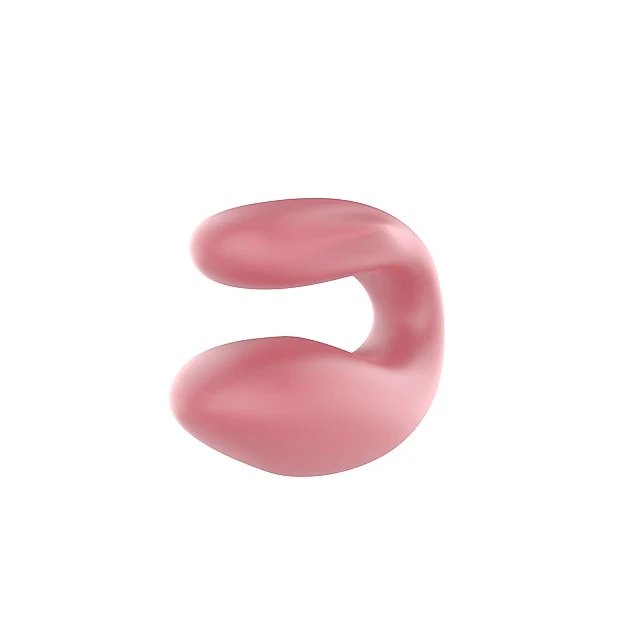
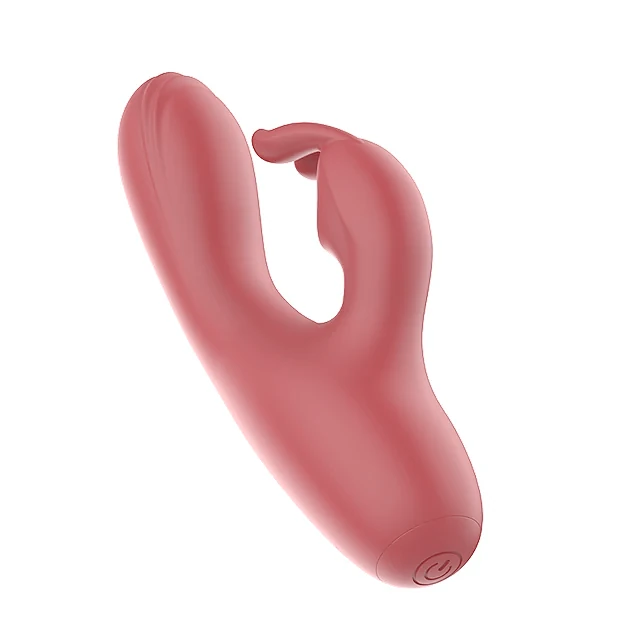
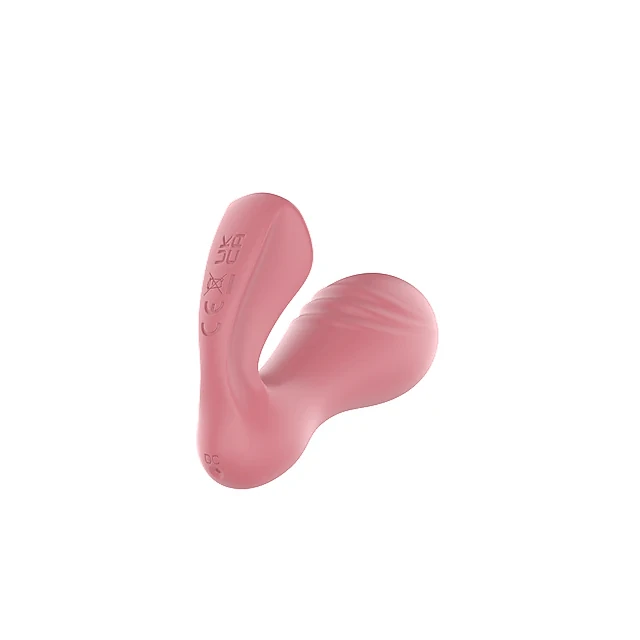
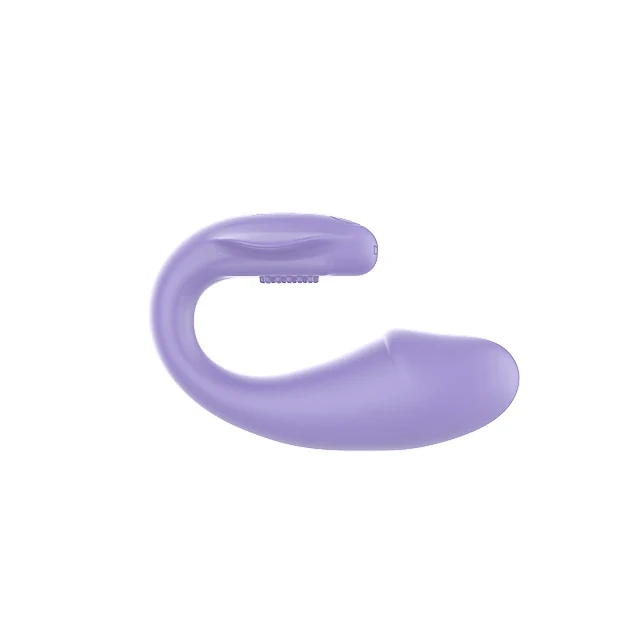
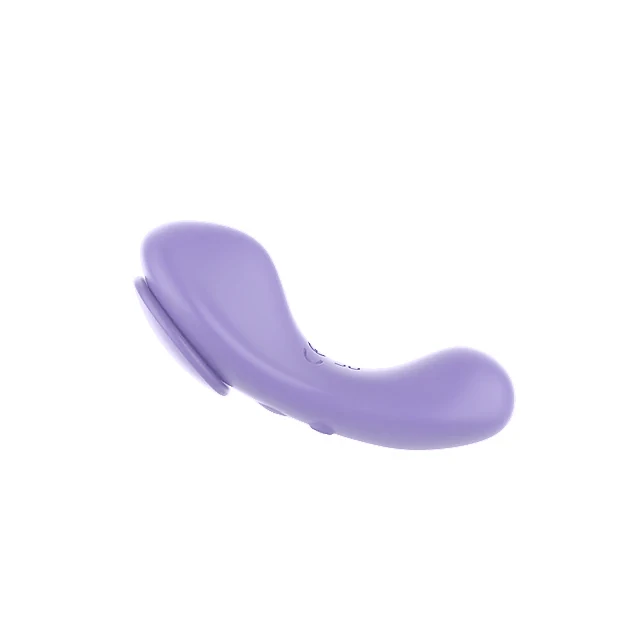
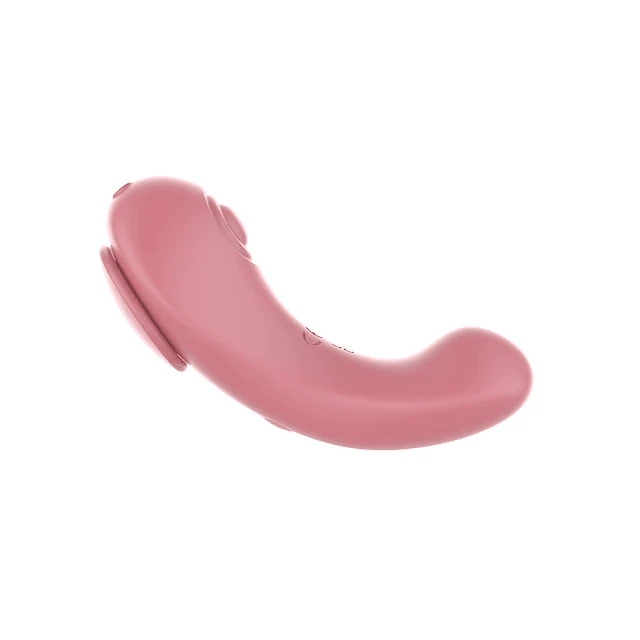
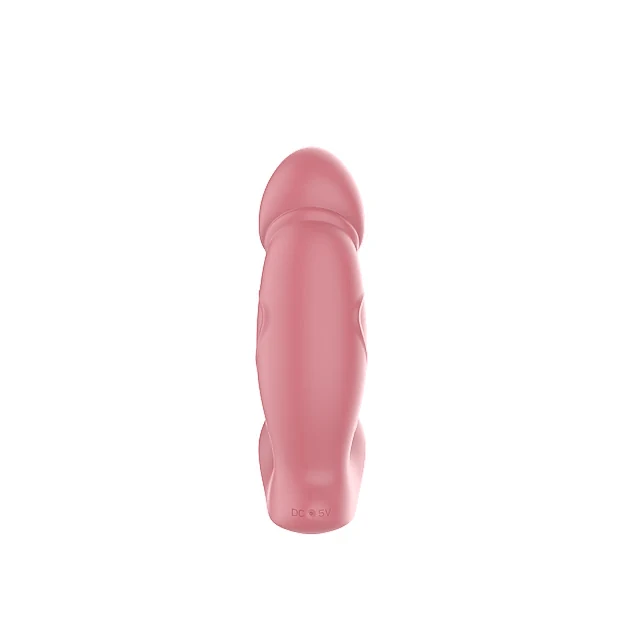
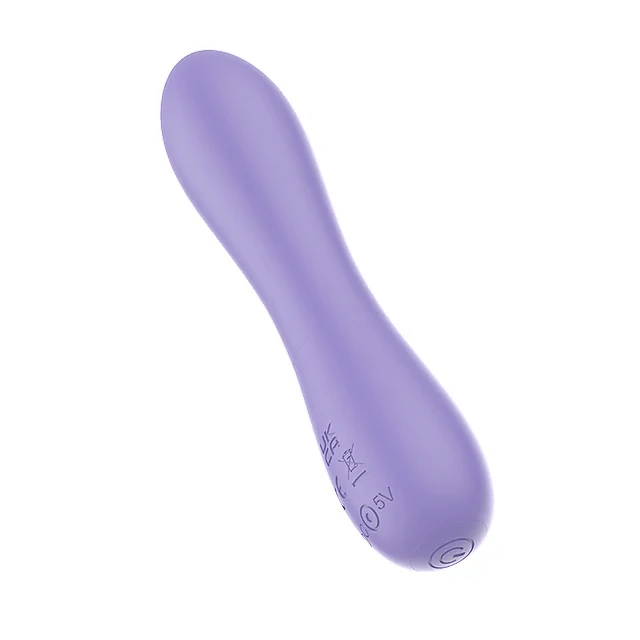
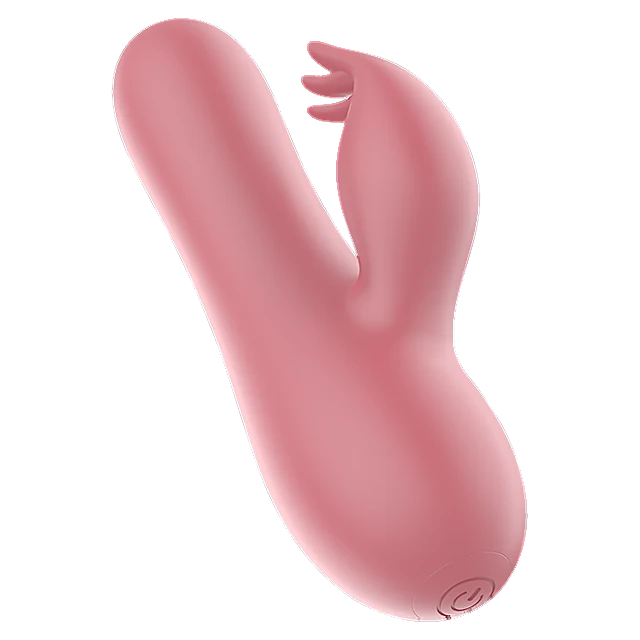
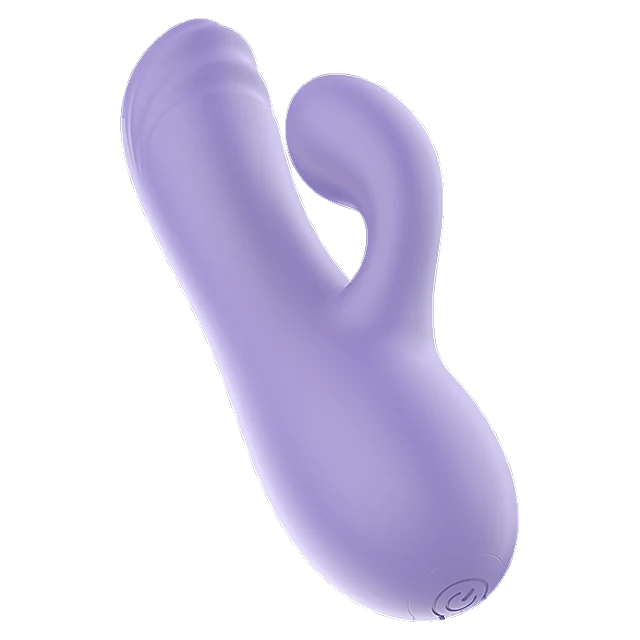
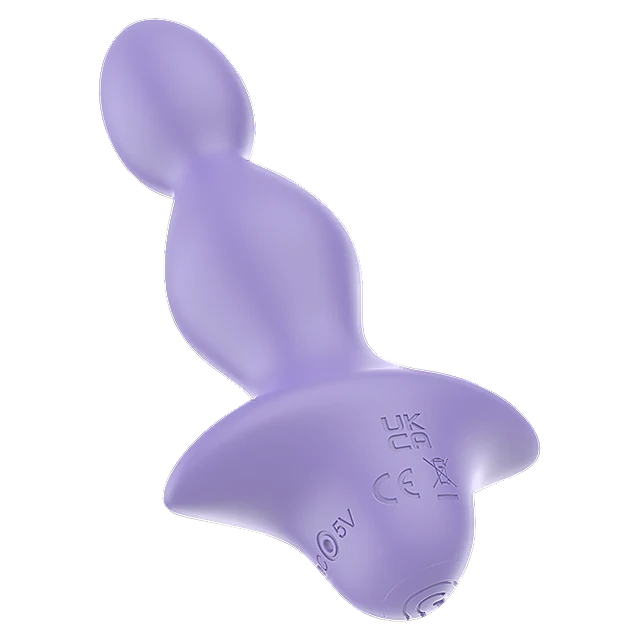
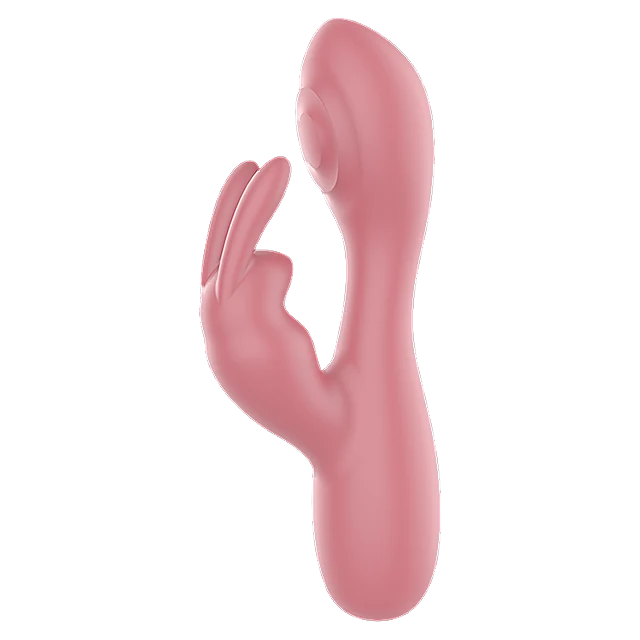
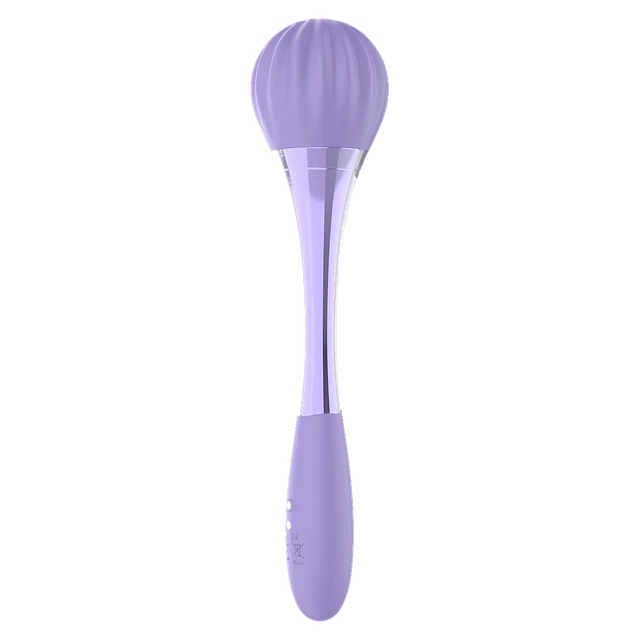
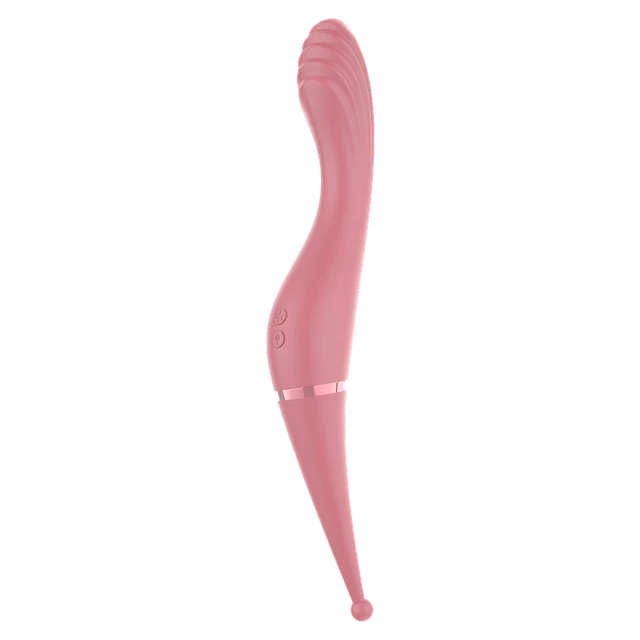
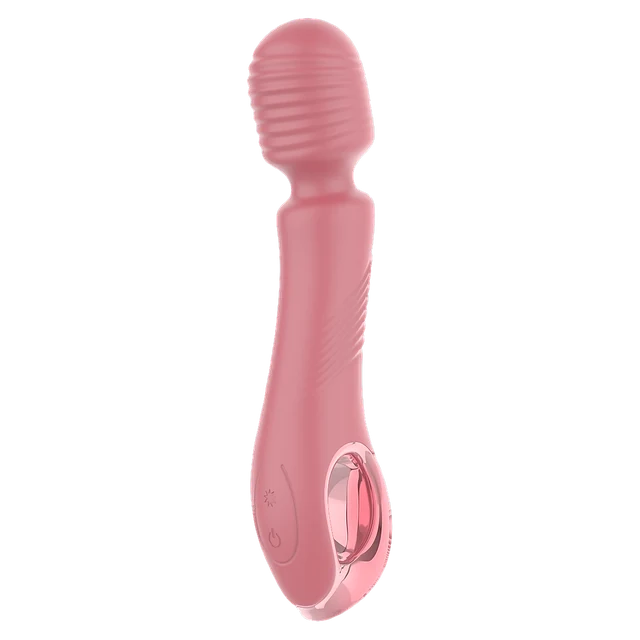
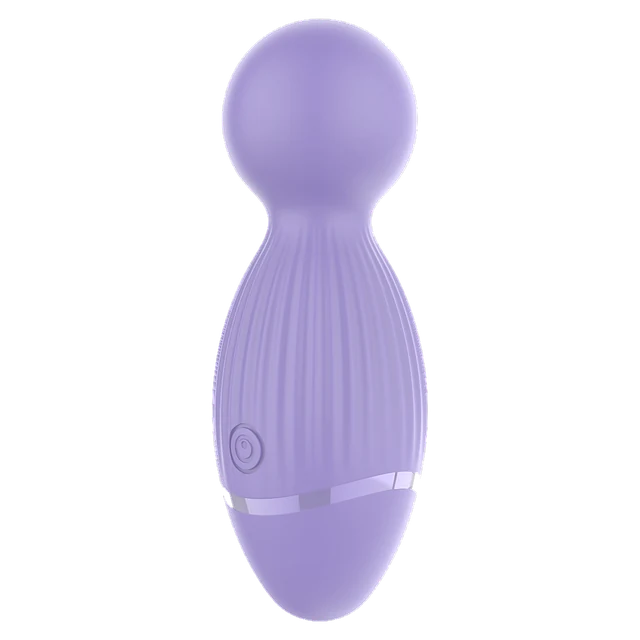
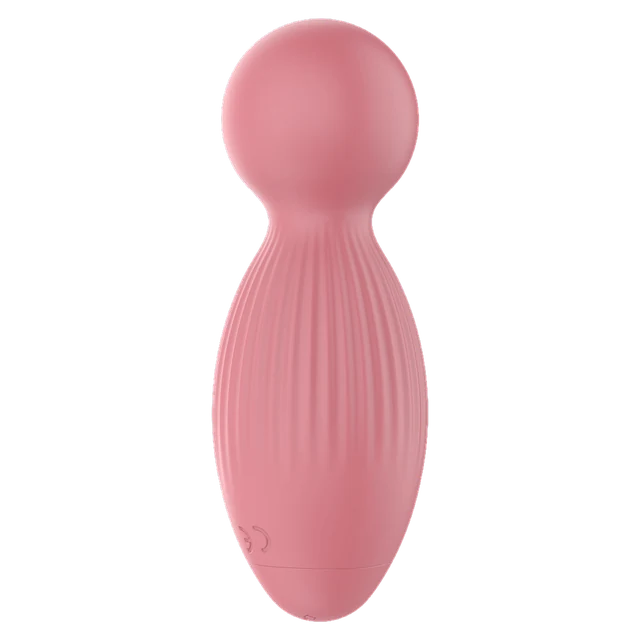
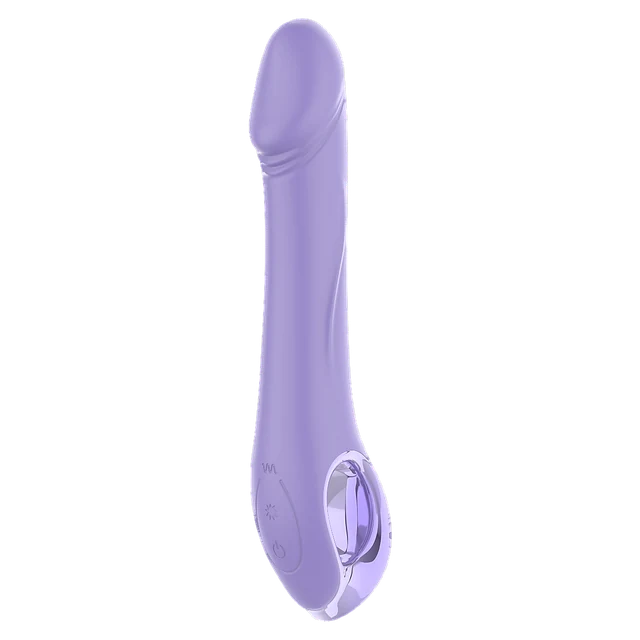
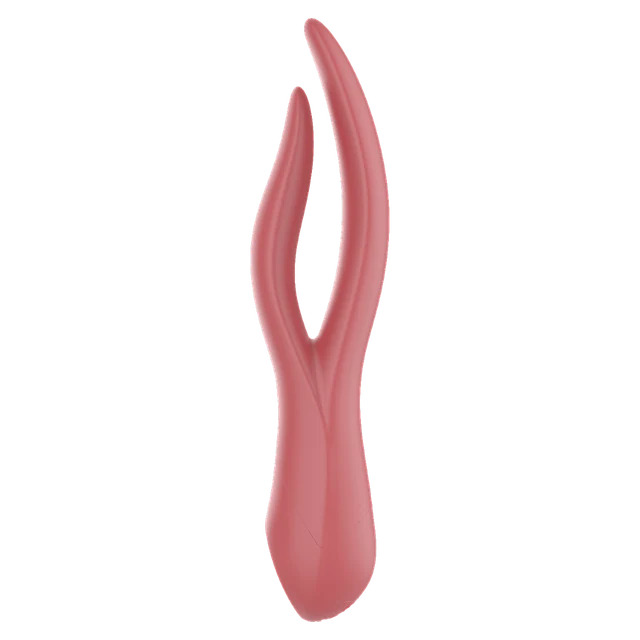
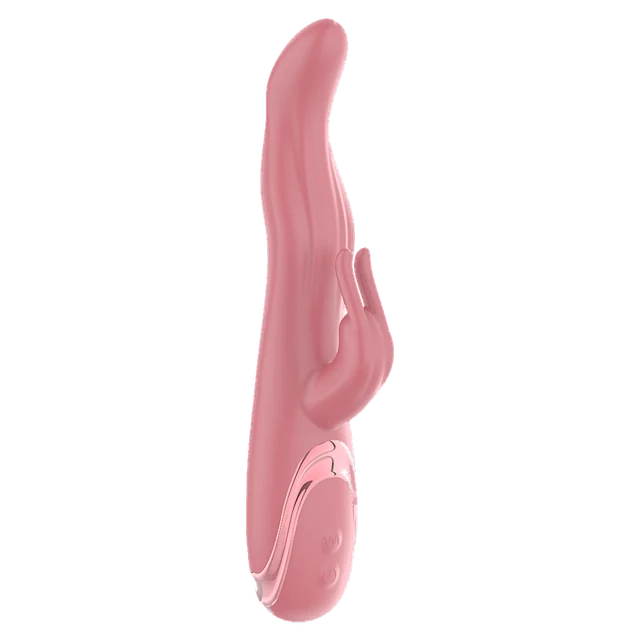
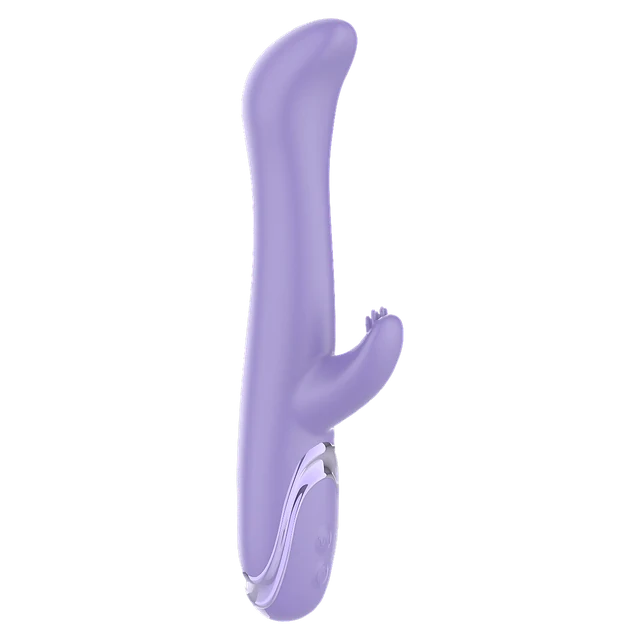
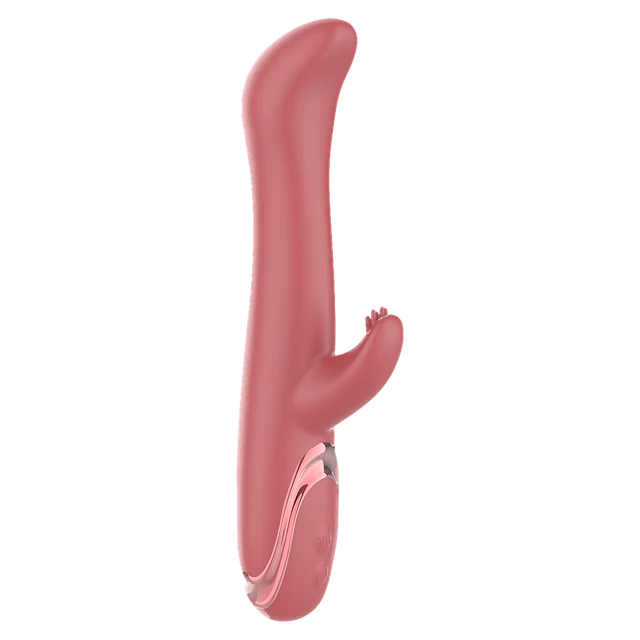
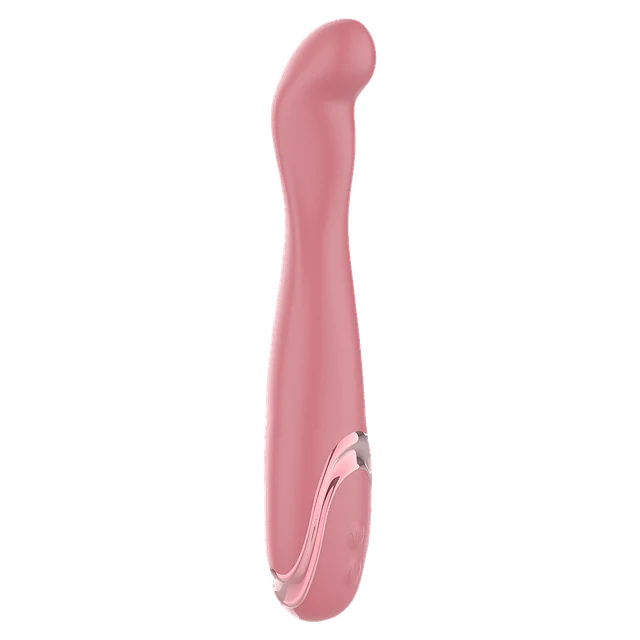
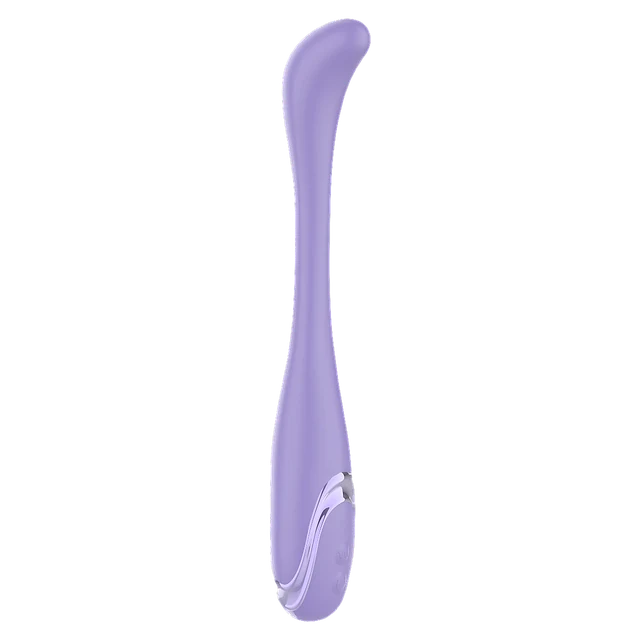
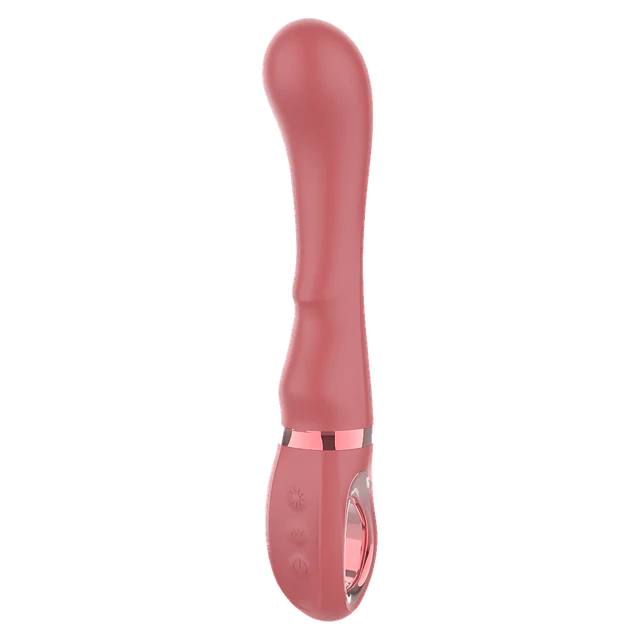
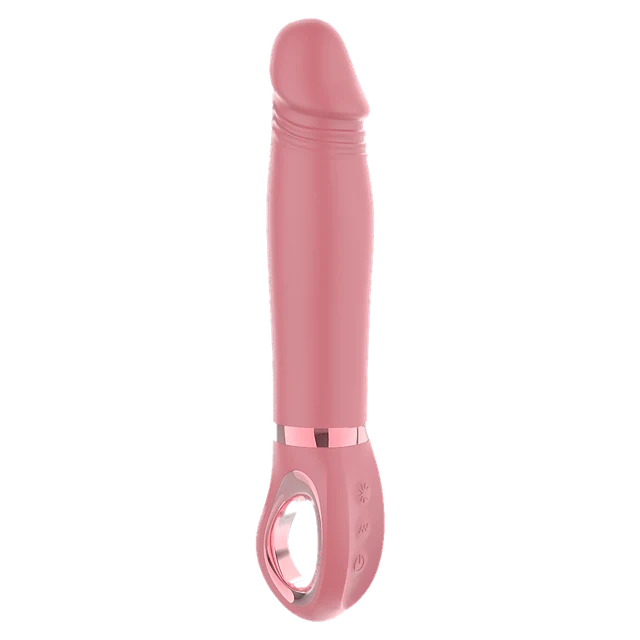
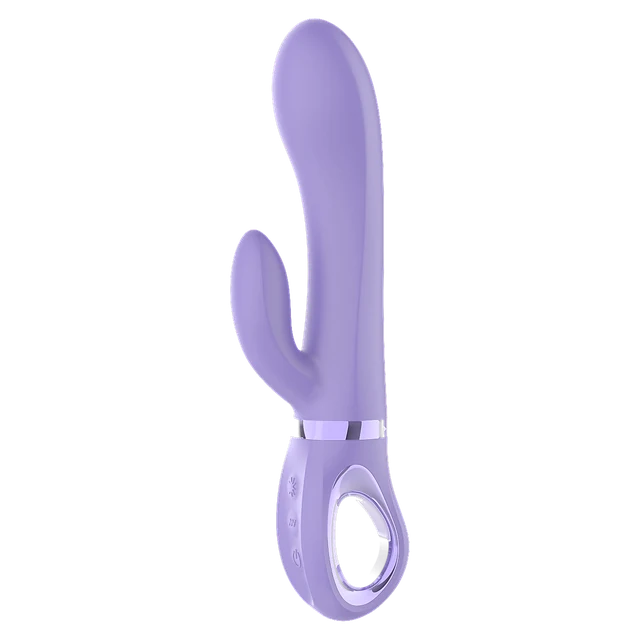
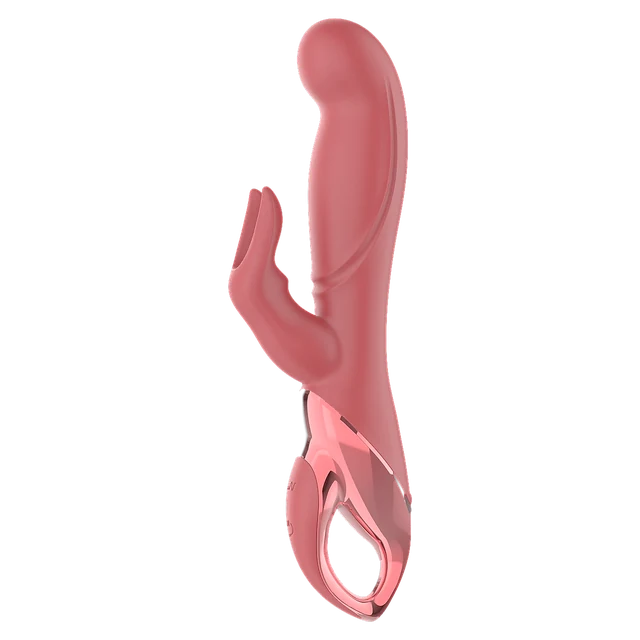
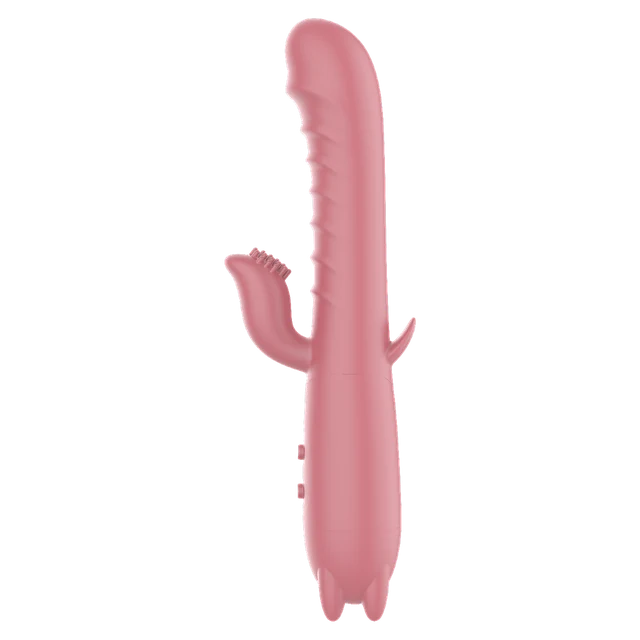
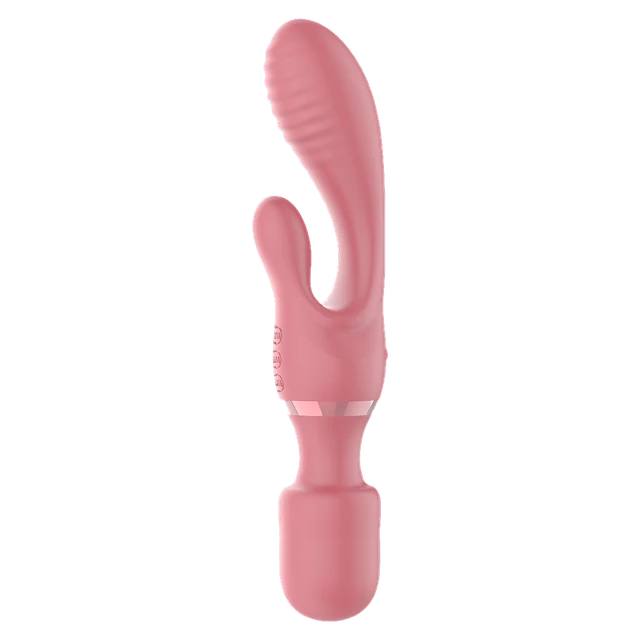
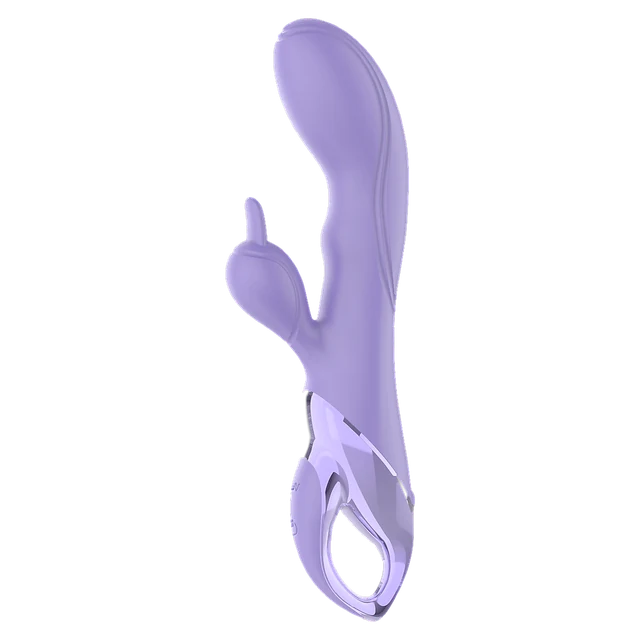
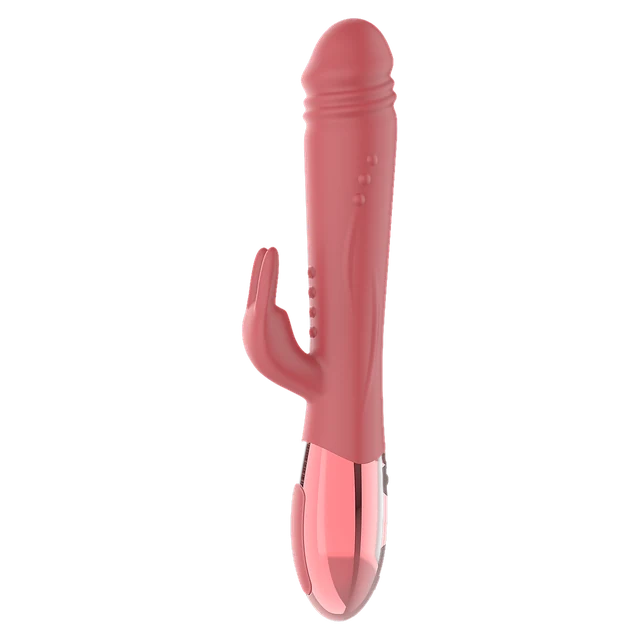
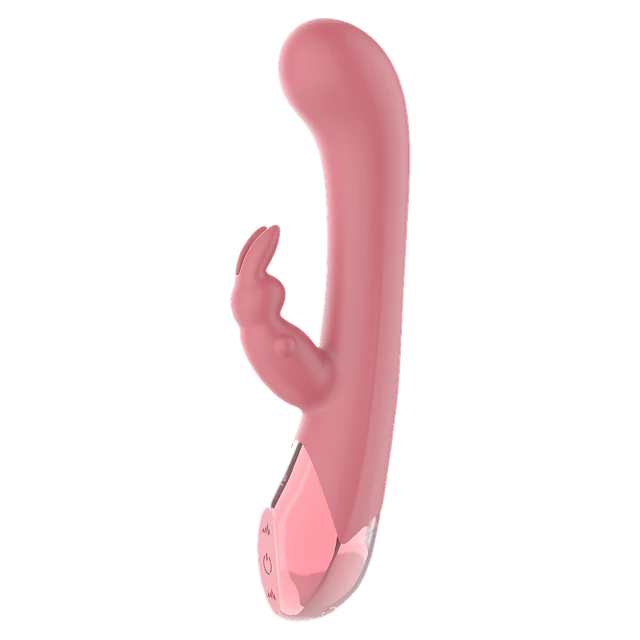
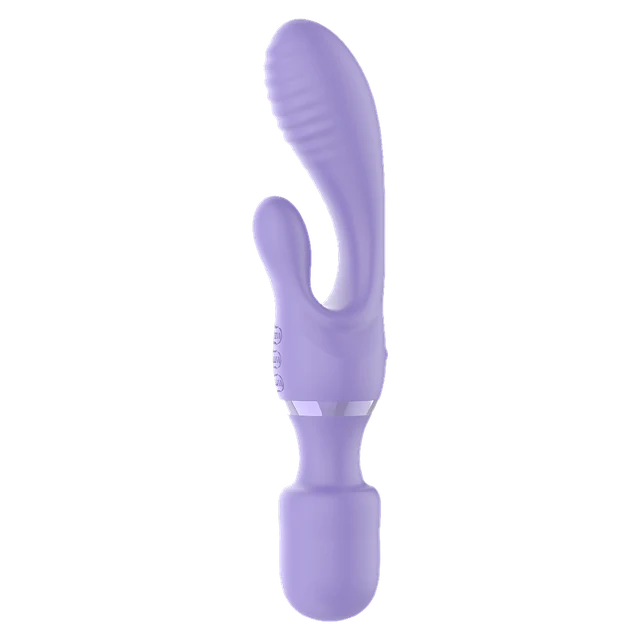
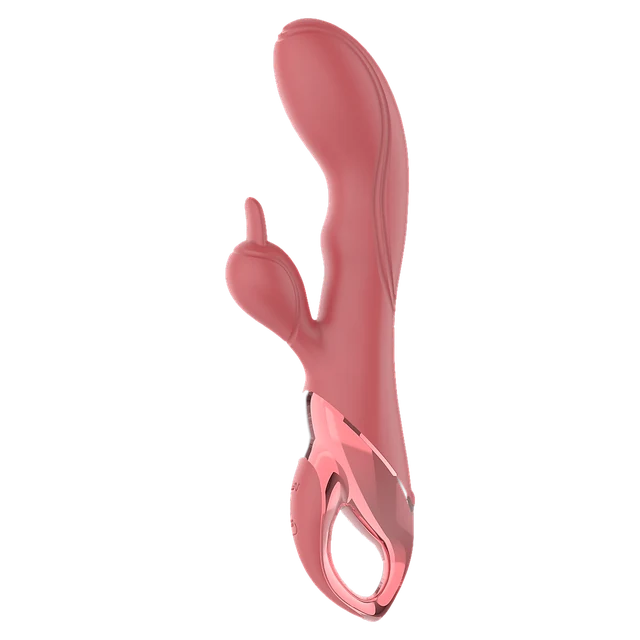
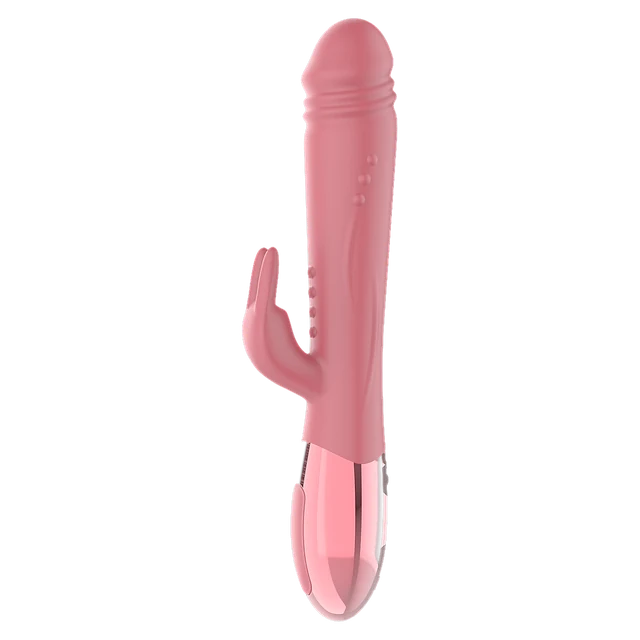
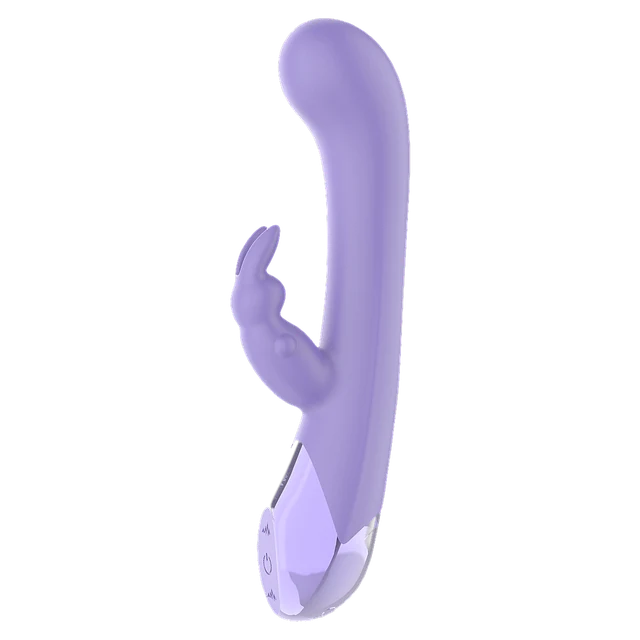
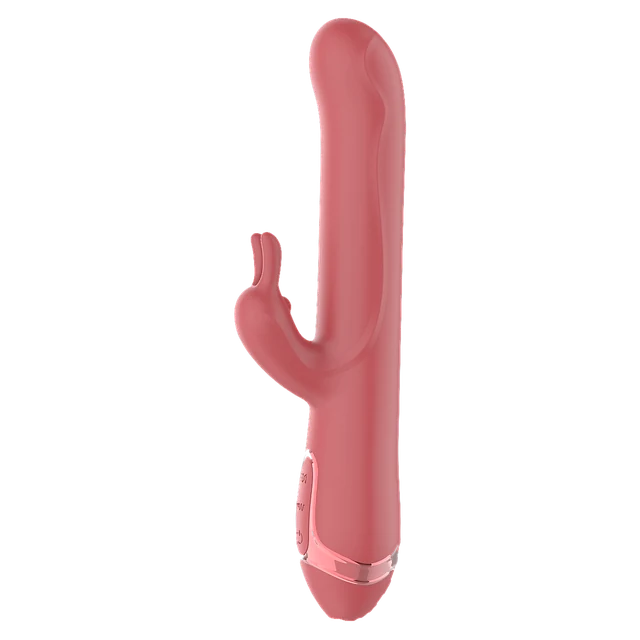
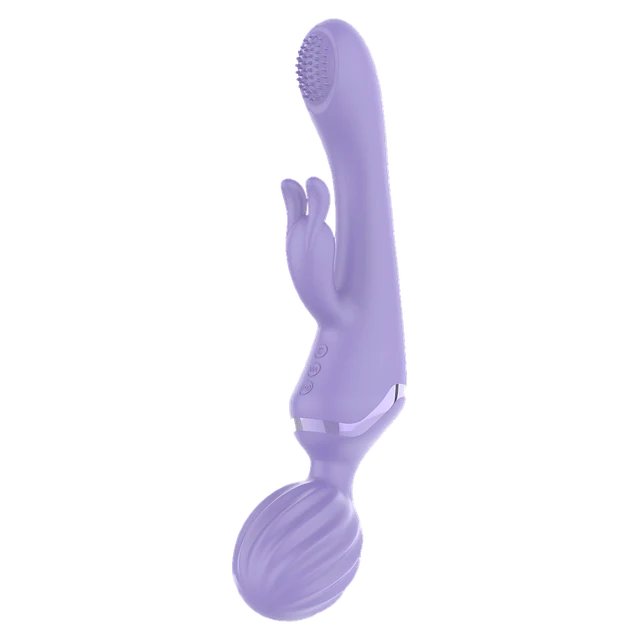
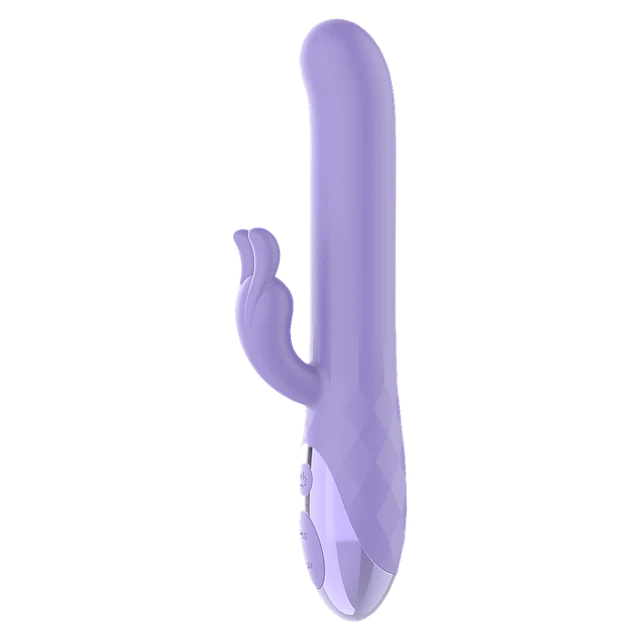
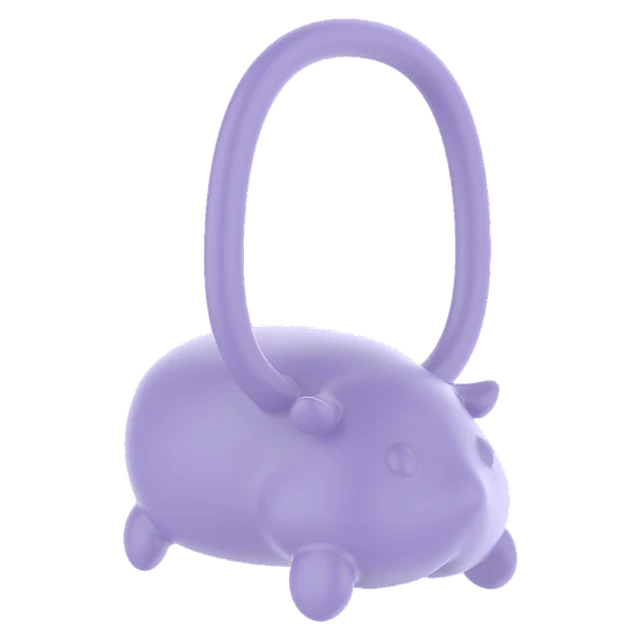
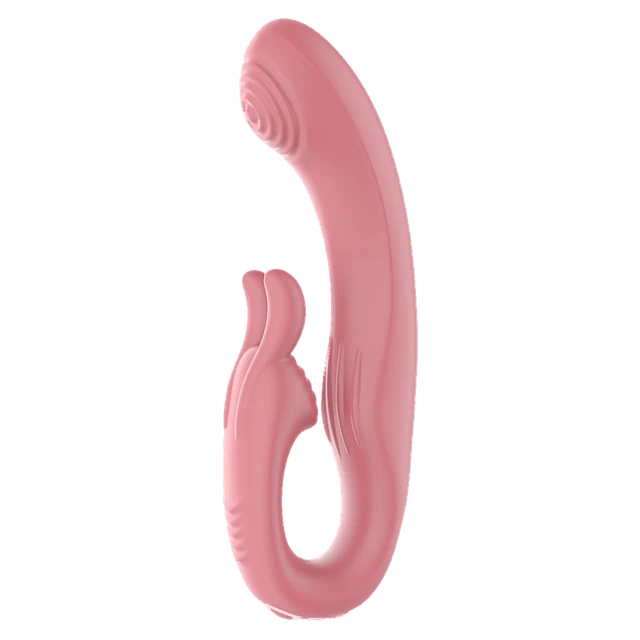
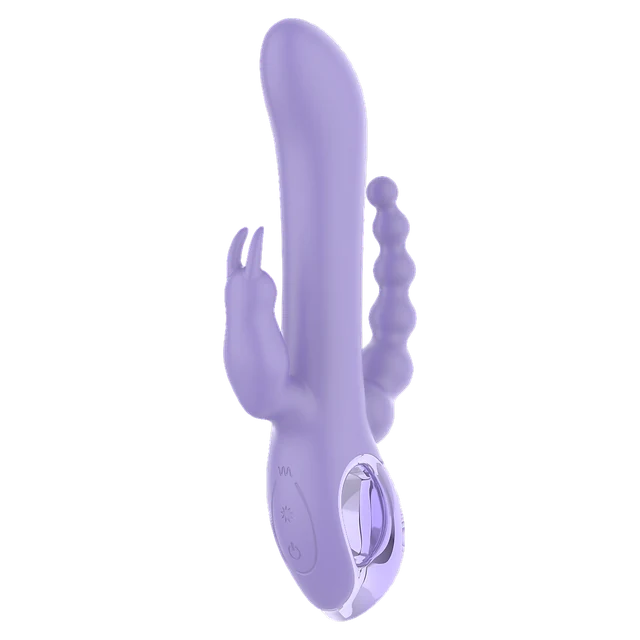
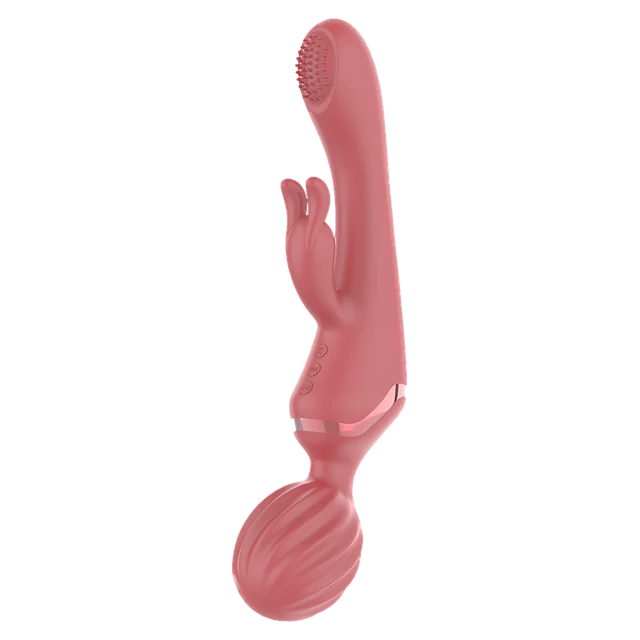
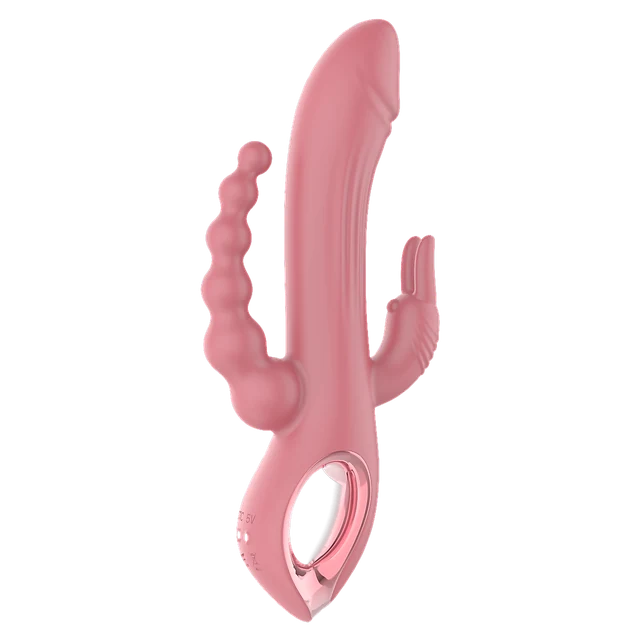
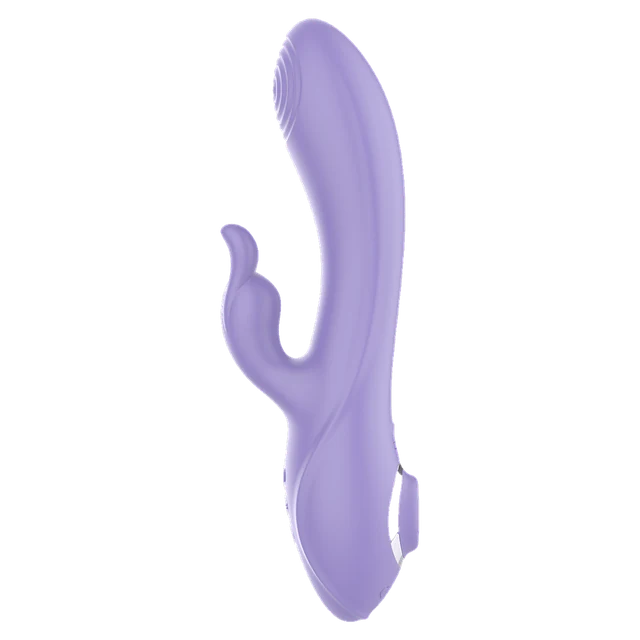
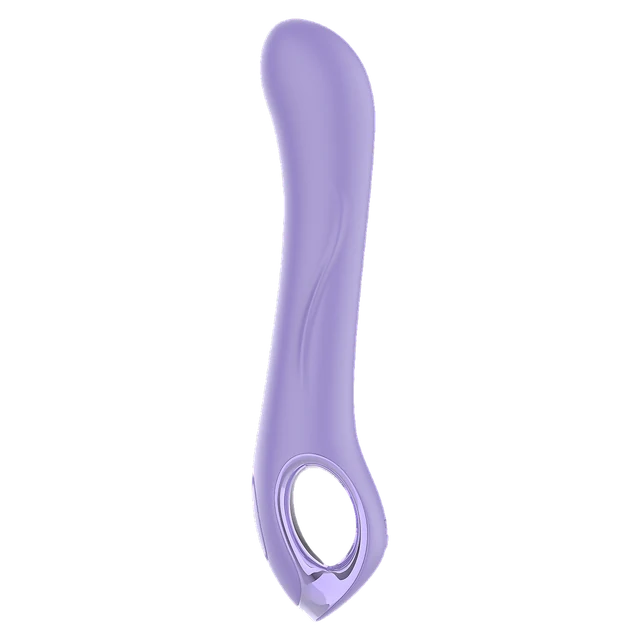
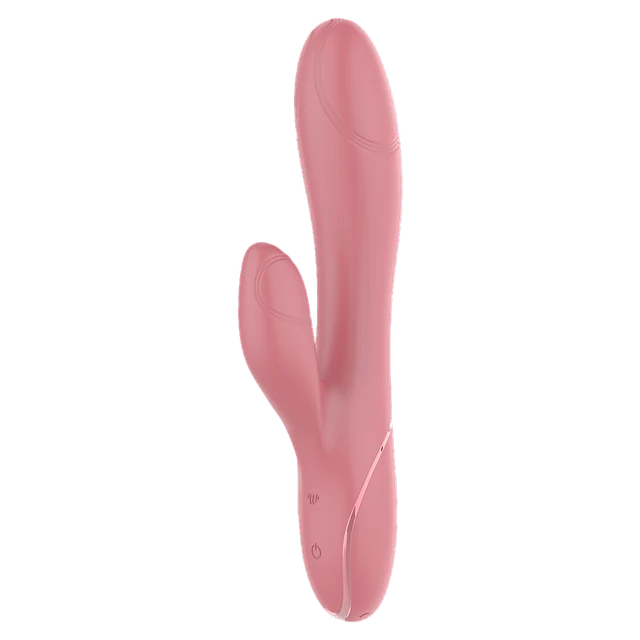
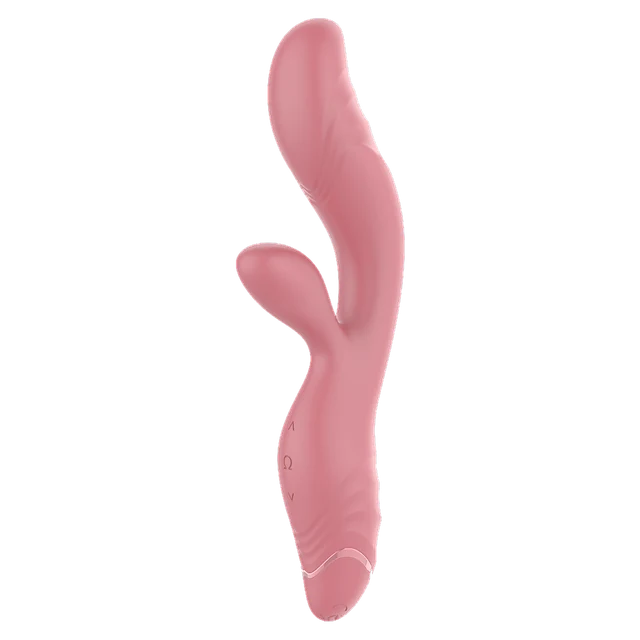
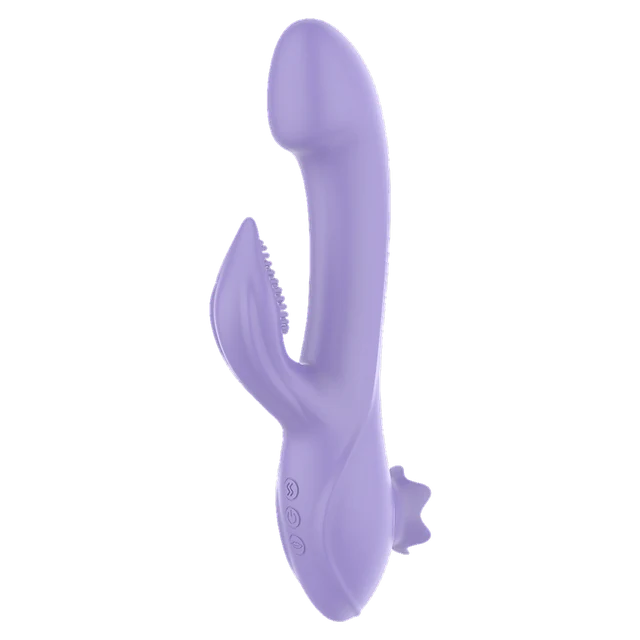
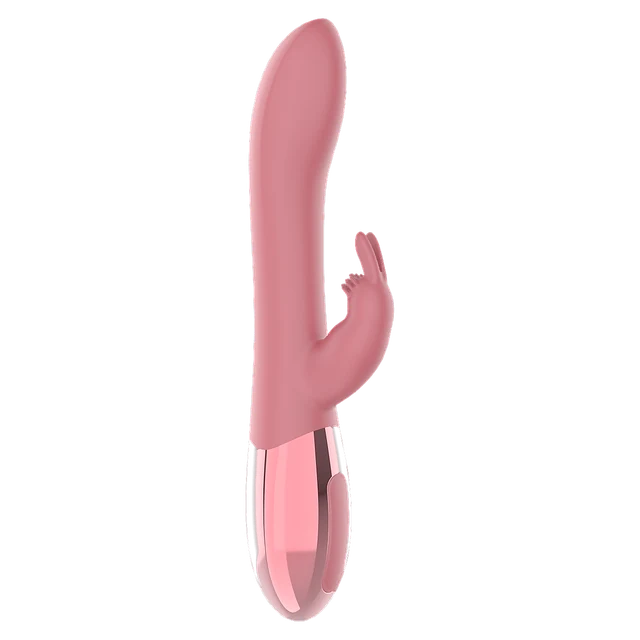
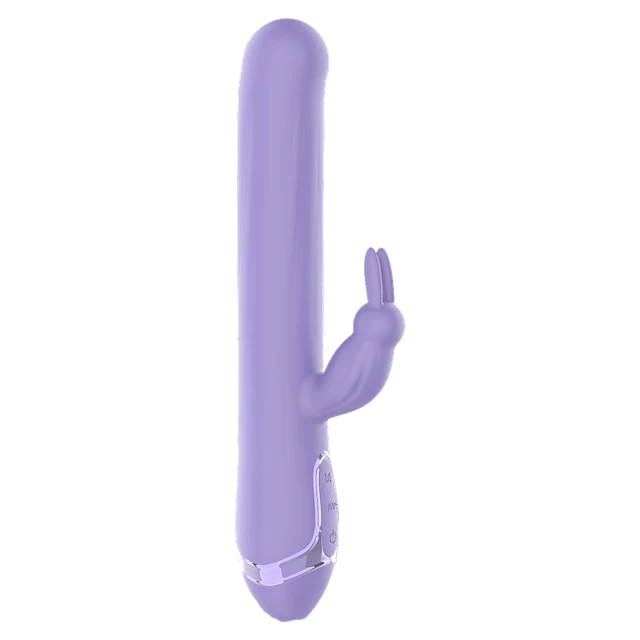
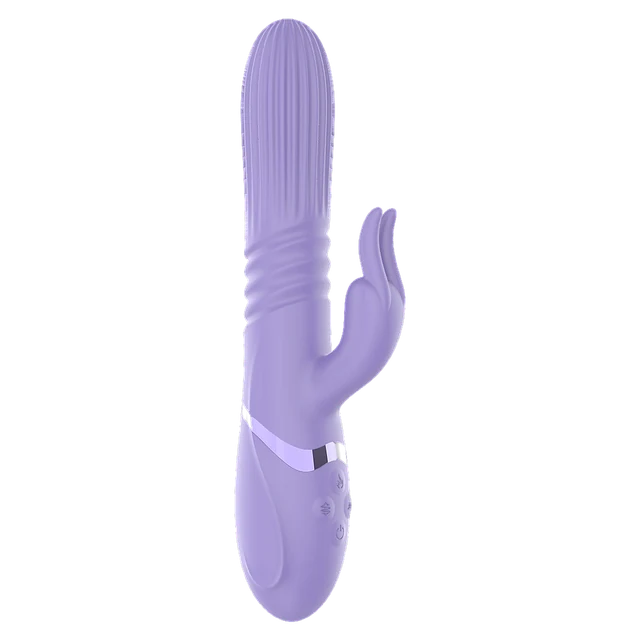
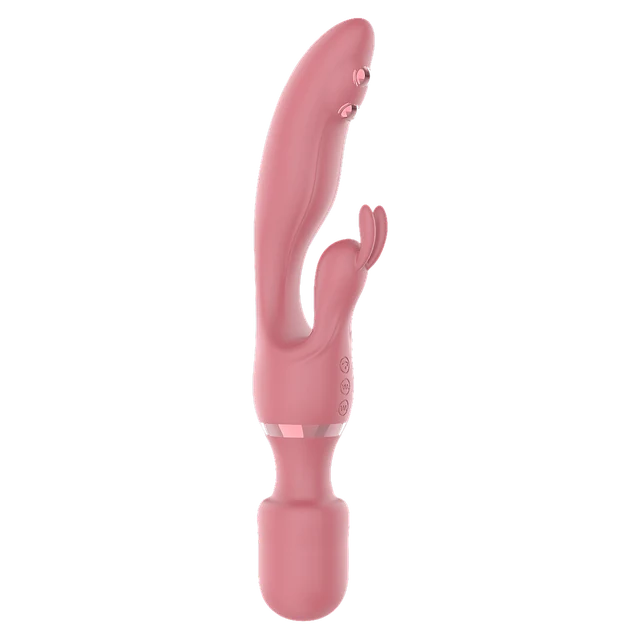
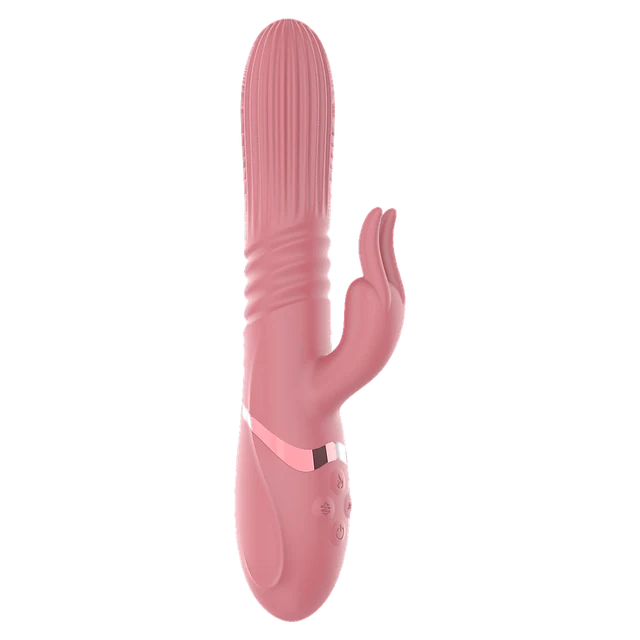
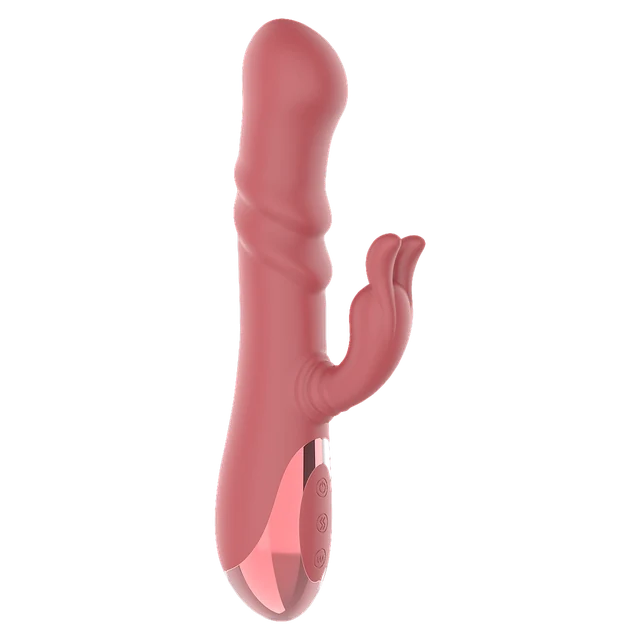
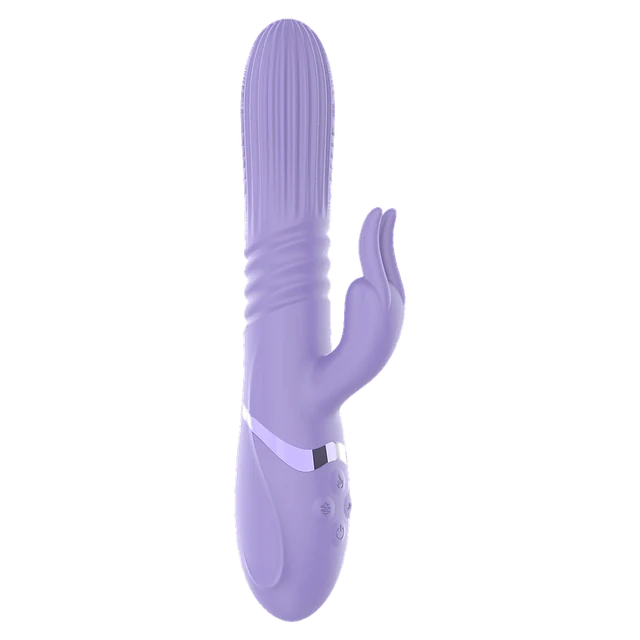
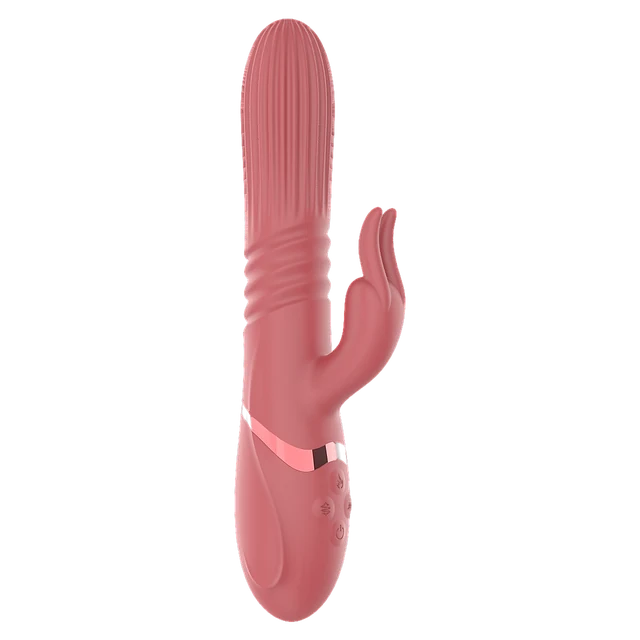
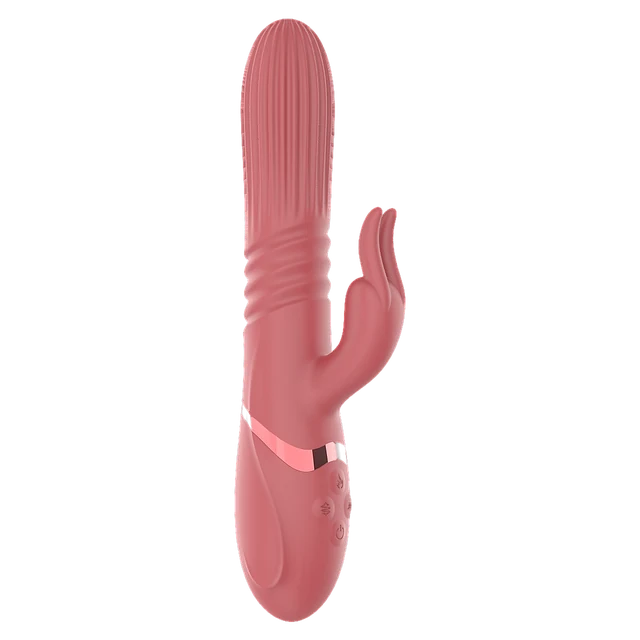
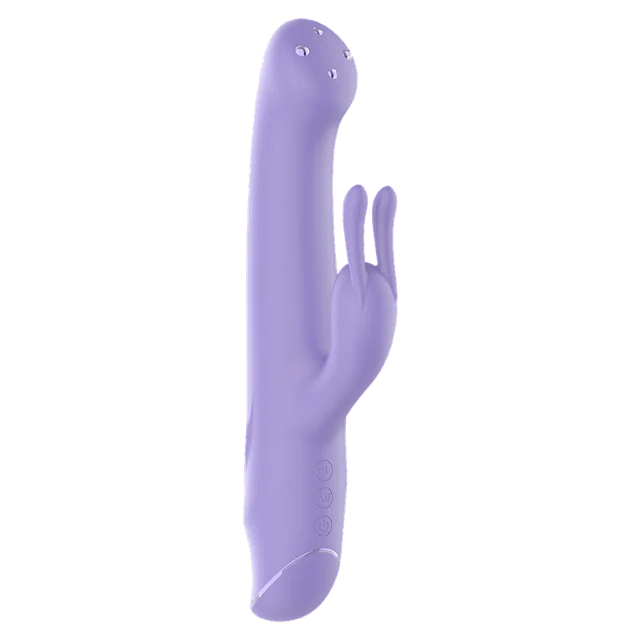
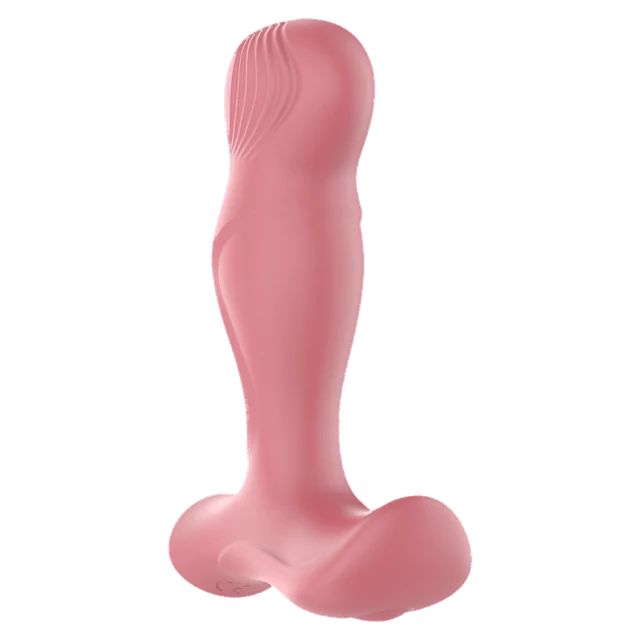
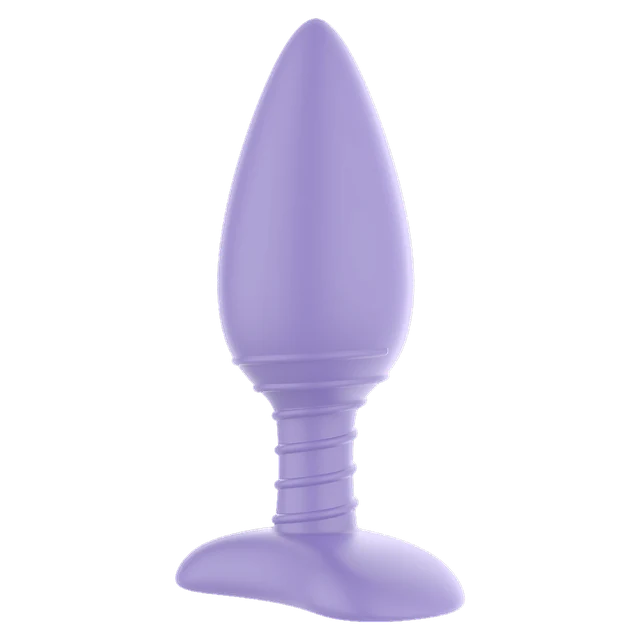
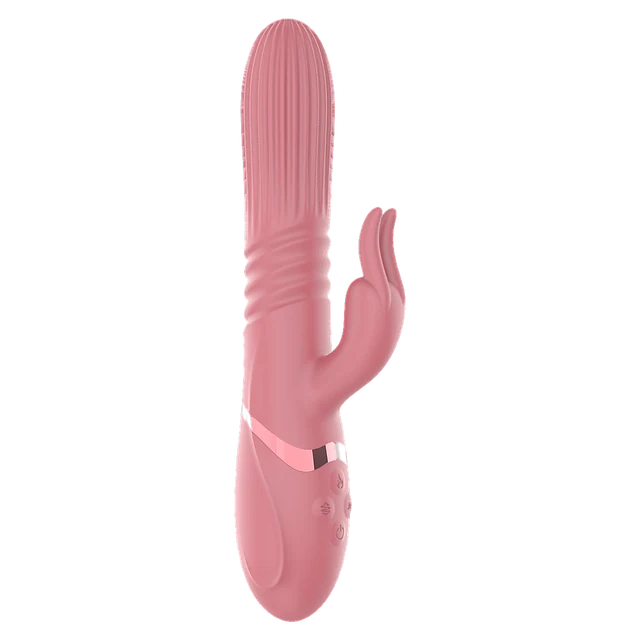
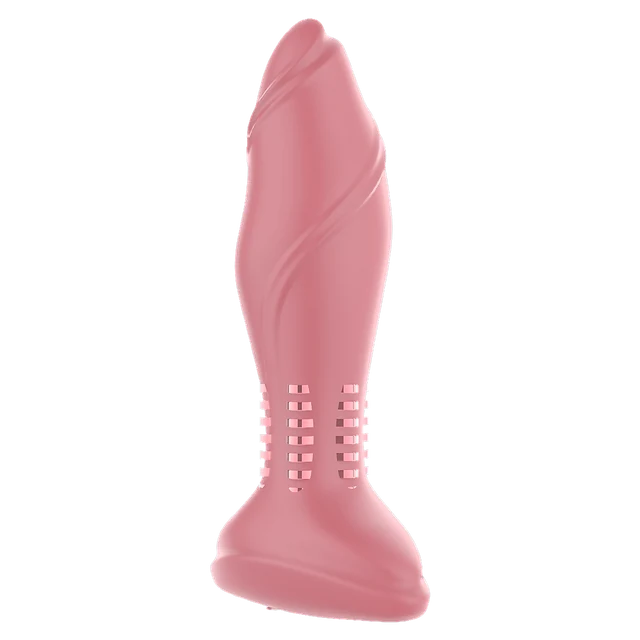
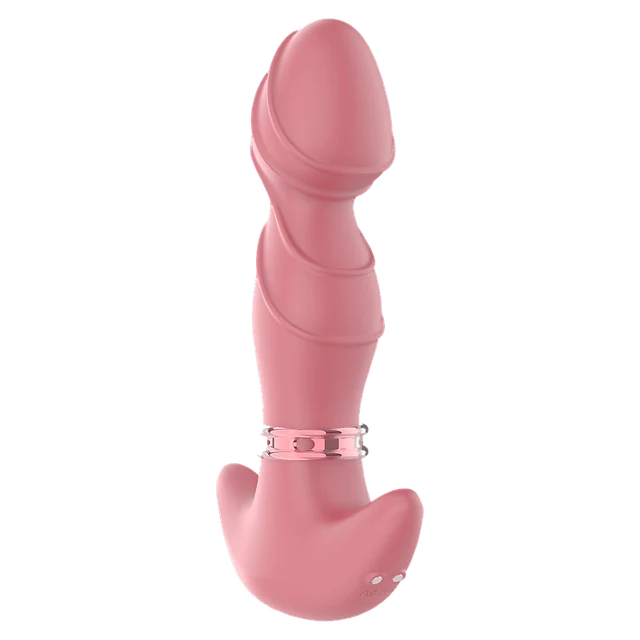
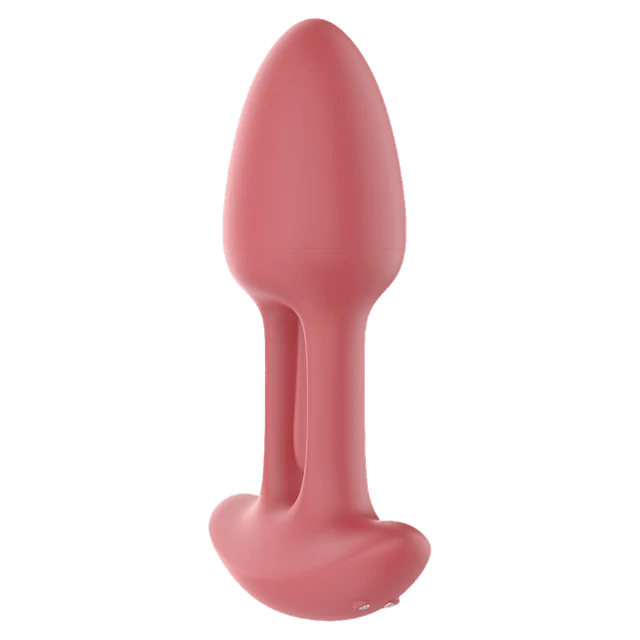
For retailers, distributors and brands who want the same devices DuckDuo sells — straight from the Dongguan factory, with the real terms below rather than a contact form. MOQ from 300 units, branded samples in 3–5 days, production in 25–35 days. Message us on WhatsApp or by email and a person replies with a quote, usually within one business day.
Wholesale runs from the same Dongguan factory as the retail line: MOQ 300 units per SKU on existing molds, branded samples in 3–5 business days, and production in 25–35 days. Send the inquiry form with your company, country and expected monthly volume, and we reply with a quote within one business day.
. Every model below is read live from the catalog — MOQ and stock come from the same database the factory keeps current.
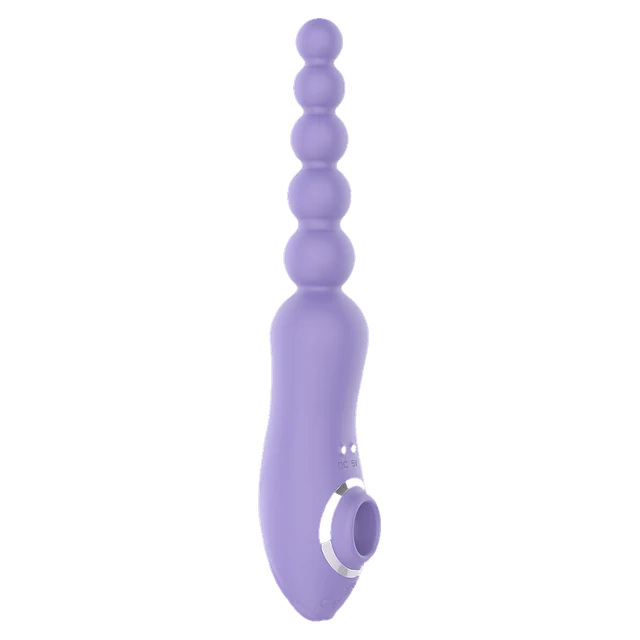
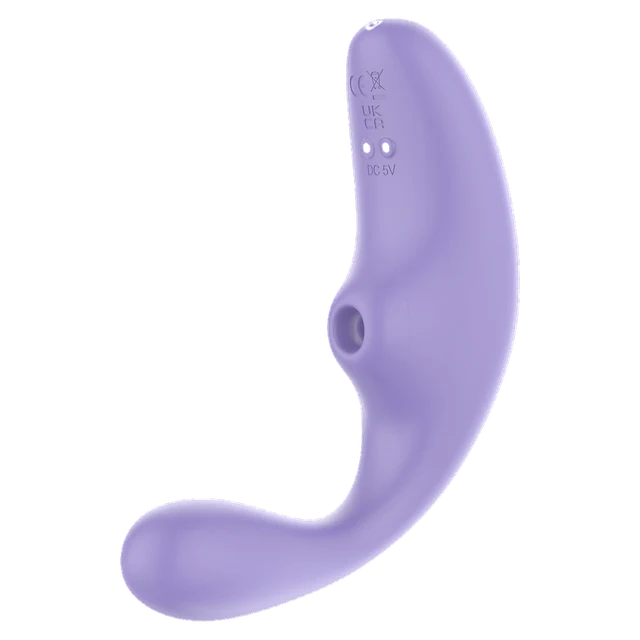
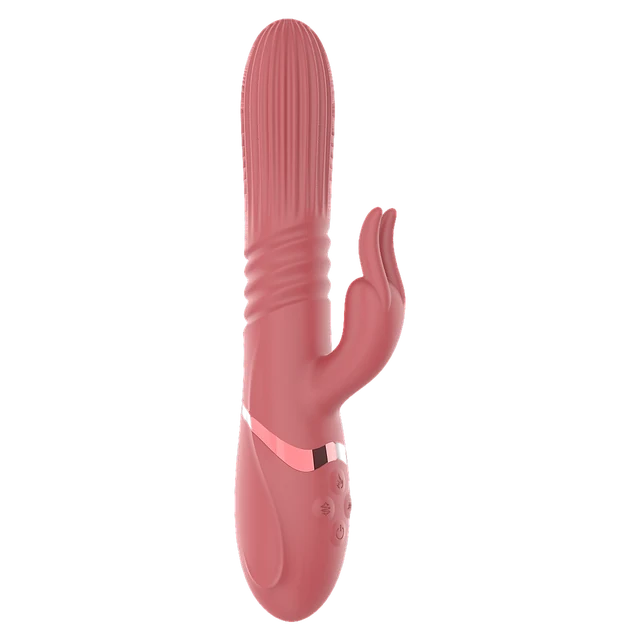
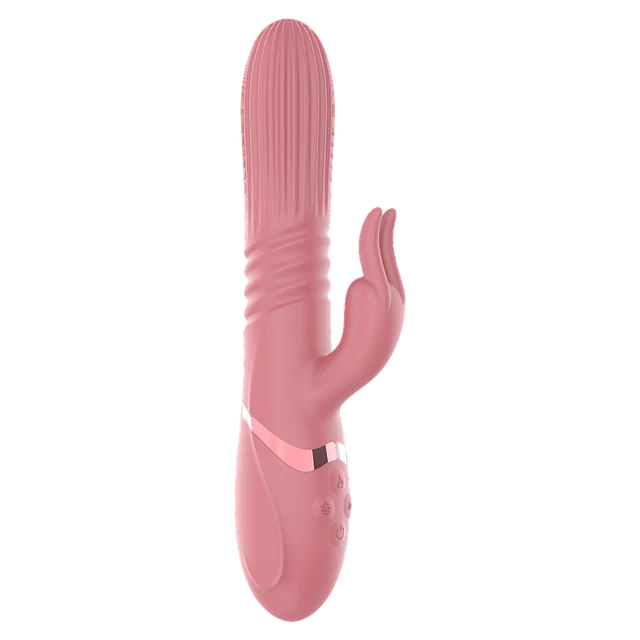
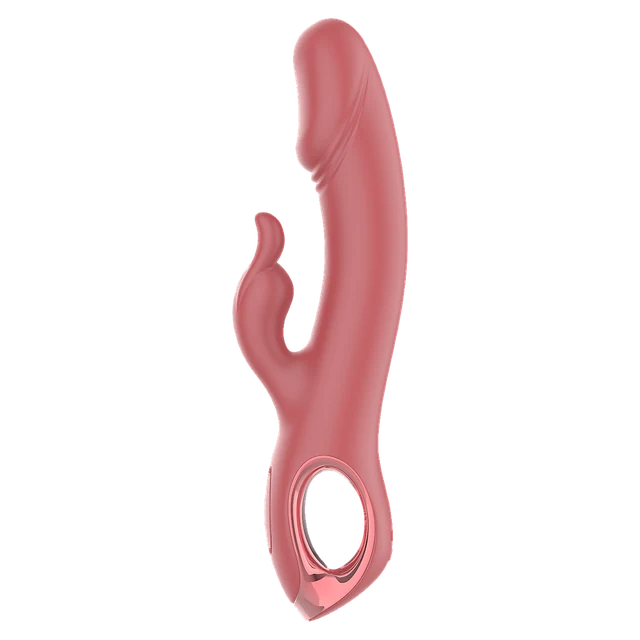
For CouplesDuoWave Couples Massager$68 retail · MOQ 300 per SKU
For CouplesDolphin Duo Couples Massager$61.80 retail · MOQ 300 per SKU
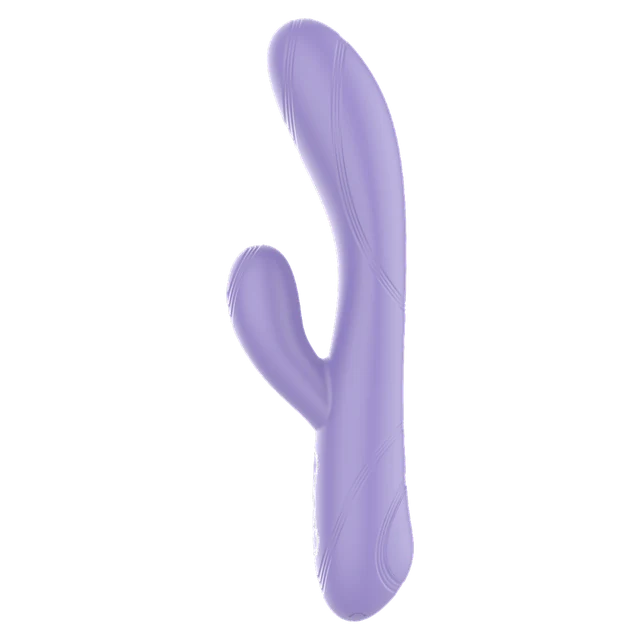
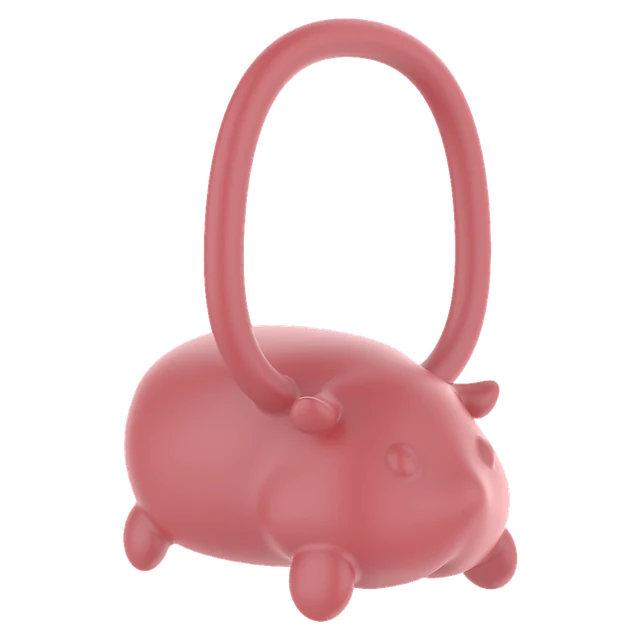
For HerPocket Bunny Compact Personal Massager$53.60 retail · MOQ 300 per SKU
WearablesMingle Wearable Massager$59 retail · MOQ 300 per SKU
WearablesTapTap Wearable Massager$59 retail · MOQ 300 per SKU
WearablesKnock Knock Wearable Massager$55 retail · MOQ 300 per SKU
MassagersSlimS Beginner-Friendly Personal Massager$59 retail · MOQ 300 per SKU
MassagersEmber Dual-Motor Massager$65 retail · MOQ 300 per SKU
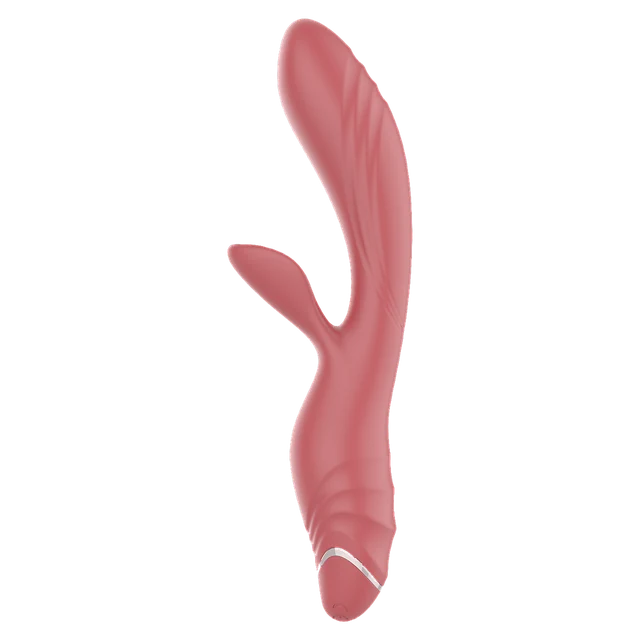
For HerWarmth Heated Massager$109 retail · MOQ 300 per SKU
MassagersPulse Duo Dual-Motor Massager$69 retail · MOQ 300 per SKU
MassagersEcho Duo Dual-Motor Massager$65 retail · MOQ 300 per SKU
MassagersFeather Ultra-Light Massager$52 retail · MOQ 300 per SKU
MassagersPetal Duo Curved Massager$62 retail · MOQ 300 per SKU
MassagersPip Portable Massager$49 retail · MOQ 300 per SKU
MassagersWillow Long-Body Massager$55 retail · MOQ 300 per SKU
MassagersPebble Compact Massager$52 retail · MOQ 300 per SKU
MassagersHoney Gold Massager$58 retail · MOQ 300 per SKU
MassagersLumen Metallic-Neck Wand Massager$69 retail · MOQ 300 per SKU
MassagersSable Long-Reach S-Curve Wand Massager$72 retail · MOQ 300 per SKU
MassagersSurge Textured Wand Massager with Boost Mode$65 retail · MOQ 300 per SKU
MassagersNimbus Mini Wand Massager$52 retail · MOQ 300 per SKU
MassagersLark Mini Wand Massager$55 retail · MOQ 300 per SKU
MassagersDrift Silicone Wand Massager$62 retail · MOQ 300 per SKU
MassagersSprig Dual-Tip Massager$49 retail · MOQ 300 per SKU
For HerBlossom Personal Massager$49 retail · MOQ 300 per SKU
For HerPixie Personal Massager$52 retail · MOQ 300 per SKU
For HerDahlia Personal Massager$55 retail · MOQ 300 per SKU
MassagersCurve Curved Personal Massager$55 retail · MOQ 300 per SKU
MassagersArc Curved Personal Massager$59 retail · MOQ 300 per SKU
For CouplesHalo Couples Massager Ring$45 retail · MOQ 300 per SKU
For CouplesOrbit Couples Massager Ring$49 retail · MOQ 300 per SKU
For CouplesLoop Couples Massager Ring$52 retail · MOQ 300 per SKU
For HerMarigold Personal Massager$59 retail · MOQ 300 per SKU
For HerClover Personal Massager$62 retail · MOQ 300 per SKU
For HerBlossom 2 Personal Massager$49 retail · MOQ 300 per SKU
For HerPixie 2 Dual-Stimulation Personal Massager$52 retail · MOQ 300 per SKU
For HerDahlia 2 Personal Massager$55 retail · MOQ 300 per SKU
For HerMarigold 2 Personal Massager$59 retail · MOQ 300 per SKU
For HerClover 2 Personal Massager$62 retail · MOQ 300 per SKU
For HerWren Personal Massager$65 retail · MOQ 300 per SKU
For HerFern Personal Massager$69 retail · MOQ 300 per SKU
For HerIvy Personal Massager$72 retail · MOQ 300 per SKU
For HerHazel Personal Massager$49 retail · MOQ 300 per SKU
For HerPoppy Personal Massager$52 retail · MOQ 300 per SKU
For HerJasmine Personal Massager$55 retail · MOQ 300 per SKU
For HerPrimrose Personal Massager$59 retail · MOQ 300 per SKU
MassagersHush Personal Massager$49 retail · MOQ 300 per SKU
For CouplesHalo 2 Couples Massager Ring$45 retail · MOQ 300 per SKU
WearablesCocoon Wearable Massager$45 retail · MOQ 300 per SKU
For HerViolet Personal Massager$62 retail · MOQ 300 per SKU
For CouplesOrbit 2 Couples Massager Ring$49 retail · MOQ 300 per SKU
For HerLilac Personal Massager$65 retail · MOQ 300 per SKU
For HerDaisy Personal Massager$69 retail · MOQ 300 per SKU
For HerAster Personal Massager$49 retail · MOQ 300 per SKU
For HerLotus Personal Massager$52 retail · MOQ 300 per SKU
For HerMimosa Personal Massager$55 retail · MOQ 300 per SKU
For CouplesLoop 2 Couples Massager Ring$52 retail · MOQ 300 per SKU
For HerAzalea Personal Massager$59 retail · MOQ 300 per SKU
MassagersWhisper Personal Massager$55 retail · MOQ 300 per SKU
MassagersCurve 2 Curved Personal Massager$55 retail · MOQ 300 per SKU
For HerCamellia Personal Massager$62 retail · MOQ 300 per SKU
For HerFreesia Personal Massager$65 retail · MOQ 300 per SKU
For HerGardenia Personal Massager$69 retail · MOQ 300 per SKU
For HerHyacinth Personal Massager$72 retail · MOQ 300 per SKU
For HerMagnolia Personal Massager$49 retail · MOQ 300 per SKU
For HerPansy Personal Massager$52 retail · MOQ 300 per SKU
For HerPeony Personal Massager$55 retail · MOQ 300 per SKU
For HerPetunia Personal Massager$59 retail · MOQ 300 per SKU
For HerSnowdrop Personal Massager$62 retail · MOQ 300 per SKU
For HerTulip Personal Massager$65 retail · MOQ 300 per SKU
For HerVerbena Personal Massager$69 retail · MOQ 300 per SKU
For HerZinnia Personal Massager$49 retail · MOQ 300 per SKU
For CouplesBand Couples Massager Ring$55 retail · MOQ 300 per SKU
For CouplesCircuit Couples Massager Ring$59 retail · MOQ 300 per SKU
For CouplesLink Couples Massager Ring$49 retail · MOQ 300 per SKU
For CouplesNexus Couples Massager Ring$52 retail · MOQ 300 per SKU
For HerAcacia Personal Massager$52 retail · MOQ 300 per SKU
For HerAnemone Personal Massager$55 retail · MOQ 300 per SKU
For HerBluebell Personal Massager$59 retail · MOQ 300 per SKU
For CouplesCoil Couples Massager Ring$55 retail · MOQ 300 per SKU
For CouplesTrace Couples Massager Ring$59 retail · MOQ 300 per SKU
For HerColumbine Personal Massager$62 retail · MOQ 300 per SKU
For HerCosmos Personal Massager$65 retail · MOQ 300 per SKU
For HerDaffodil Personal Massager$69 retail · MOQ 300 per SKU
WearablesPeri Wellness Massager$59 retail · MOQ 300 per SKU
WearablesPod Wearable Massager$49 retail · MOQ 300 per SKU
For CouplesKnit Couples Massager Ring$49 retail · MOQ 300 per SKU
WearablesShell Wearable Massager$52 retail · MOQ 300 per SKU
For CouplesWeave Couples Massager Ring$52 retail · MOQ 300 per SKU
WearablesCradle Wearable Massager$55 retail · MOQ 300 per SKUMOQ, sampling, lead time, exclusivity and the compliance pack — the numbers the factory publishes, not a sales pitch.
| Minimum order (MOQ) | 300 units per SKU on existing molds and standard colorways. |
|---|---|
| Custom mold | From 1,000 units. Gift sets and multi-piece kits from 500. |
| Sampling | 3–5 business days for a branded sample. The sample cost is credited back on your first production order. |
| Production lead time | 25–35 days after sample approval and deposit. Rush orders of 20 days on in-stock base SKUs. |
| Quality control | Four stages — IQC, IPQC, FQC, OQC — with 100% final inspection. Outgoing defect rate below 0.1%. |
| Third-party inspection | SGS, Bureau Veritas and QIMA are all welcome before shipment. |
| Exclusivity | Regional exclusivity on tooling-funded custom molds. On standard SKUs, an NDA plus market exclusivity in your territory against a minimum annual volume. |
| Compliance pack | CE Declaration of Conformity, RoHS statement, MSDS, IPX5 test report and UN 38.3 ship with every order. |
| Certification scope | CE Declaration of Conformity and RoHS compliance ship with every order; FCC covered for the US market. The electronics meet EU personal-care-device directives. |
|---|---|
| Material standard (FDA) | Every skin-contact part uses body-safe, food-contact-grade silicone referenced against FDA food-contact material standards — a material-safety benchmark, not a device approval. |
| Silicone grade | Body-safe, food-contact-grade silicone (no latex, no phthalates) — the same grade across the catalog, documented per model. |
| Ingress protection | IPX5-tested water resistance on every waterproof model — rated for the shower and easy cleaning, verified per model. |
| MOQ range | 300 units per SKU on existing molds; custom-mold programs from 1,000 units; branded sampling in 3–5 business days. |
We do not publish a repurchase rate, because the factory does not publish one and we are not going to invent a percentage. What it does publish is repeat business, which is what the three figures above are.
One note on the defect rate, because the same words mean different things at each end of the chain. The figure above is measured at outgoing inspection — units rejected against units leaving the line. A reseller’s defect rate is measured on the shelf — units returned against units sold — and the distance between the two is freight, storage and use. Published reseller terms in this category typically set a credit threshold near 1% and treat anything under 2% as normal production variance, while third-party pre-shipment inspection is normally billed to the supplier above 5%. None of those numbers is comparable to the one above, and a supplier who lets you compare them is counting on you not asking what the denominator is.
The terms above are what we publish. These eight are what you have to work out, and none of them appear on a price list. If you are commissioning your own product instead of stocking ours, the questions are different — those are on the OEM and private label page.
| Landed cost, not unit price | The unit price is one of four numbers. Freight, duty and import VAT in your market are the other three, and together they usually decide your retail price more than the factory invoice does. Model them before you commit to a margin, not after. |
|---|---|
| Depth or breadth on the opening order | Three SKUs you reorder three times teaches you more than nine SKUs ordered once. Breadth feels like a better shop and behaves like nine separate bets, each too small to learn from. |
| Who is the importer of record | The name on the label carries the compliance obligation for that market. If it is yours, the CE documentation has to be in your name or explicitly assigned to you. Settle this before artwork is approved — changing it afterwards means reprinting. |
| Payment terms | First orders run deposit and balance against a pre-shipment inspection. What changes on the second order is the thing worth negotiating, because that is when the relationship has evidence behind it. |
| Price protection | What happens if the brand sells direct into your territory at or below your retail price. Get an answer in writing. A supplier that will not discuss it has effectively reserved the right to undercut you. |
| Damage and defect handling | Who pays for a unit that fails in the customer’s hands, what evidence you have to supply, and whether credit is issued against the next order or refunded. Agree the threshold — a percentage, or a count — rather than deciding case by case. |
| Warranty period, and where it starts | Not how many months — whose months. A 12-month warranty that starts on the factory gate covers roughly ten months of your customer’s use; one that starts at retail covers twelve. So ask for the length and the starting event together, and ask who performs the terminal repair: you, us, or nobody. We do not publish a month count here, because the number that matters is the one in the factory agreement and it is per contract rather than per product. Write down what happens at the boundary — a unit that fails in month 13 — before you sign, because that is the case a customer will bring to the reseller rather than to the manufacturer. |
| Marketing assets you can actually use | Images at a resolution your own listings need, spec sheets in a format you can edit, and permission to use both off your own site. This is the item most often discovered missing a week before launch. |
| Reorder lead time in weeks, not days | The number that decides how much cash sits in stock. If production is 25–35 days and sea freight is another five weeks, your real cycle is closer to three months, and your opening order has to cover it. |
None of these are DuckDuo terms — they are the decisions any reseller makes with any supplier, and we would rather you had them worked out before you talk to us.
Of the eight decisions above, one is settled by arithmetic rather than judgement. If your market peaks in December and your replenishment cycle is three months, then the order that fills the peak is placed in late August — and no amount of negotiation in October changes that.
Work it backwards rather than forwards. The category concentrates roughly 45 percent of its annual search interest between December and February, another 30 percent from late September to November, and the remaining quarter across the slow months. That is relative interest, not sales volume, but the shape is consistent enough across sources to plan against.
Take the December peak and subtract: sea freight is about five weeks door to door at best, production is 25–35 days after sample approval, and your own inbound handling before units are sellable adds days rather than hours. That lands you in late August for a production order, which means the sample approval happened in July, which means the supplier conversation started in June — before the previous peak had even been fully sold through.
The reverse error is just as common. Buyers who treat March to August as dead months and order nothing arrive in September with no stock, order too late, and then fly inventory in at four or five times the sea rate to catch a peak they were always going to miss. The slow quarter is when you build the position for the fast one; it is also the best window to test a new SKU, because a mistake in March costs a quarter and a mistake in November costs the year.
Seasonal shares are relative search-interest figures for personal-care massage devices, not sales data, and they vary by market and by year. Freight and production windows are our published terms; the arithmetic above is a planning aid, not a schedule commitment.
This is the sourcing structure most experienced importers end up with, and it is worth building on purpose rather than arriving at after a bad quarter. The point is not to spread orders thin. It is to keep a second option that is already proven, so a price rise or a capacity crunch is a negotiation rather than a crisis.
Three primaries is the number that tends to survive contact with reality. One supplier gives you no leverage and no fallback; two turns every allocation decision into a binary argument; four or more dilutes each order below the volume where your price and your priority in the queue both improve. Three keeps at least two of them competing for the next order while each still sees enough volume to care.
The two backups are a different kind of relationship, and this is where most buyers get it wrong. A backup that has never quoted you is not a backup — it is a name in a spreadsheet. A qualified backup has quoted, sampled, passed your incoming inspection once, and has its documents on file. It costs a sample order and an afternoon of paperwork to create, and it is the difference between switching production in three weeks and switching it in three quarters.
| Record | Why it is the one you will actually need |
|---|---|
| Legal entity and production address | The trading name on the invoice and the address where the tooling sits are frequently not the same. Record both, and record which one appears on the customs paperwork. |
| Certificate pack, per model | Certificates attach to a model and a factory, not to a company. A file that says “our factory is CE certified” tells you nothing about the unit you are buying. |
| Quoted price, MOQ and validity date | Prices expire. A quote without a validity date cannot be used to negotiate, because the other side can simply say it lapsed. |
| Landed cost at your own port | Freight, duty and import VAT modeled for your destination, not the factory’s. Two suppliers with the same unit price can differ by a fifth once this is done properly. |
| Sample result and inspection report | What you found when the sample arrived, dated. This is the baseline every later batch is compared against, and without it a defect argument becomes a memory test. |
| Tooling ownership, if any | Who paid, who owns, where it is held. If your product is custom, this record is the one that decides whether you can leave. |
| Named contact and escalation route | A person, not a sales inbox, plus the person above them. The week you need this is the week nobody is answering the inbox. |
Switching costs are real and worth counting before you assume a backup is free. Packaging artwork is usually the largest single line — new dielines, new proofs, new print run — followed by re-assigning certification into your name and re-training whoever handles incoming inspection. The reason to build the structure anyway is that these are planned costs, and the alternative is an unplanned one at whatever moment your only supplier chooses.
If your product is custom rather than stocked, the supply question changes shape: you are not comparing catalogs but tooling, drawings and confidentiality. That version is set out on the OEM and private label page, including who owns the mold. Supplier records contain commercial terms and, where a brief includes unreleased designs, confidential material — how we hold and delete that is covered on our privacy page.
The three-primary structure above is standard practice in consumer-goods importing rather than a DuckDuo policy, and we publish it because buyers ask. Switching-cost components reflect common experience with private-label packaging; they are not a quote.
MOQ, mixed orders, private label, lead time and the compliance pack — answered directly.
300 units per SKU on existing molds and standard colorways. Custom molds start from 1,000 units, and gift sets or multi-piece kits from 500. The MOQ for each model is shown on its product page, and anything shown as “on request” means we quote it case by case.
Yes. The MOQ is per SKU for standard orders, but we are happy to build a mixed-order program — tell us your target market and monthly volume in the inquiry form and we will propose a structure that works for your shelves.
Yes. We offer private label on standard base SKUs with your own branding, and custom-mold designs when you fund the tooling. Both can carry an NDA, and custom-mold designs are eligible for regional exclusivity against a minimum annual volume.
Four things, in this order. Which program tier the quote assumes — existing mold or new tooling. A per-SKU material migration test report from a named accredited laboratory, against FDA 21 CFR 177.2600. Samples before any production commitment. And a written AQL with a golden sample and pre-shipment inspection tied to the balance payment. A supplier that cannot answer the first has one MOQ for everybody.
Unit price is one of four numbers. Freight, duty and import VAT in your market are the other three, and together they usually move your retail price more than the factory invoice does. We quote product cost, packaging development, tooling, testing and freight as separate lines so you can see which line the MOQ is really coming from.
No. Twenty-seven countries are not one market. Labelling rules, responsible-person requirements, restricted-market lists and import documentation all differ by destination, and a pack that clears one border can stall at the next. We quote documentation per destination for that reason, and we will tell you plainly where we cannot ship.
Samples take 3–5 business days. Bulk production runs 25–35 days after sample approval and deposit, because lead time moves with packaging complexity more than with quantity. New tooling adds a mold-development phase before sampling, and we quote that separately rather than folding it into the production window.
A branded sample takes 3–5 business days, and the sample cost is credited back on your first production order. Production runs 25–35 days after sample approval and deposit, with rush orders of 20 days on in-stock base SKUs.
Every order ships with a compliance pack: CE Declaration of Conformity, RoHS statement, MSDS, IPX5 test report and UN 38.3. Production passes four-stage QC (IQC, IPQC, FQC, OQC) with 100% final inspection, and SGS, Bureau Veritas or QIMA third-party inspection is welcome before shipment.
We build on our own Dongguan production line, and we say so plainly because it is the first question most sourcing teams ask. If you want to verify it, ask for a live, unscripted video walkthrough of the line running that week — raw material storage, assembly and the QC station — rather than a factory tour staged for visitors. Any genuine factory can do this on short notice, and a trading company usually cannot do it at all.
White label rebrands an existing product end to end, typically 50–200 units. Private label puts your brand on an existing mold, from 300 units. ODM means we develop the product to your brief. OEM means we manufacture to a specification you already own. The MOQ, tooling cost and lead time differ at every step, which is why we quote them as separate lines.
Yes, and you should. Branded samples take 3–5 business days and the sample cost is credited back on your first production order. A supplier that refuses to sample until you commit to production is protecting its own schedule, not building a relationship. The fee itself is not revenue — it is a deposit on a slot in that schedule, which is why it is credited rather than kept, and why a factory that waives it entirely has usually decided where to recover the cost instead. Ask which line.
We agree a written AQL sampling level with a defined defect tolerance before production starts, keep an approved golden sample, and run pre-shipment inspection before the balance payment is released. “Every unit is checked” is not a plan; a stated sampling level, a defect threshold and a documented final inspection is.
AQL sorts defects into three bands before the inspection, not after: critical (a safety or legal failure), major (a functional failure a buyer would reject) and minor (a cosmetic one). The common starting point is AQL 0 for critical, 2.5 for major and 4.0 for minor under ISO 2859-1, tightened for safety-sensitive categories. The level fixes how many units are pulled — around eighty from a five-hundred-piece lot at general level II — and how many of those may fail before the lot is rejected. The number that matters is not the AQL figure on its own but whether it is written into the order next to a sealed golden sample, because “good quality” is not a sampling plan.
The part that fails on a sealed waterproof device is almost always the motor or the battery, and neither is field-serviceable — so spare parts availability is really a question about whole-unit replacement. Ask three things in writing: the replacement window after disconnection, the replacement price as a share of the original trade price, and whether the replacement is the same SKU or whatever is current when the claim arrives. The OEM and private-label page sets out the same question for units built to your own specification.
Quality fade is the documented pattern where a supplier is careful on the first order and lets the standard slip on the third or fourth, because the buyer has stopped checking as hard. It is prevented the unglamorous way: keep inspecting every order rather than only the first, keep a sealed reference sample both sides hold, and score each order against a fixed set of numbers — on-time delivery, defect rate against the agreed AQL, and how a problem was handled. A scorecard reviewed as a trend catches a slide before it becomes a recall; “we are not happy with the quality lately” does not.
For this category CE is a self-declared Declaration of Conformity, not a third-party certificate issued by a notified body. The manufacturer declares conformity against the relevant directives and holds the technical file and test reports behind that declaration — for us, CE (EMC and LVD), RoHS and the material test report. That is why we say “Declaration of Conformity” rather than “CE certified”: calling a self-declaration a certificate is the most common overstatement in this category, and it is the one a buyer should check first.
We quote documentation per destination rather than per company. That covers CE and RoHS for the EU, UKCA for Great Britain, FCC for the United States, PSE for Japan, RCM for Australia and New Zealand, plus REACH and California Prop 65 where your retailer requires them. UN38.3 and an MSDS ship with every rechargeable model.
Meta (Facebook and Instagram), Google Shopping and TikTok restrict or prohibit paid promotion for intimate wellness products. The dependable channel is therefore organic — search-driven educational content, email and community — which is why we publish specifications, test documents and lead times openly rather than gating them behind a form.
We publish this because the buying process is not a straight line, and pretending otherwise wastes your time. Below is the route most sourcing teams take, the vocabulary they use at each step, and the documents they ask for when they get to us.
| 1 · Google, for intent | Search starts with intent phrases, not brand names: private label massager manufacturer, wellness device China factory, personal massager OEM. Buyers are looking for a shortlist, not a story. |
|---|---|
| 2 · Facebook groups, for peer verification | Sourcing communities — China Sourcing Network, Global Importers Hub, Amazon FBA seller groups — are where the question has anyone used them? gets answered. This is also where factory vs trading company and deposit-safety red flags get raised, before anyone wires money. |
| 3 · Instagram, for proof | Factory-tour Reels, liquid-silicone injection clips and per-batch QC footage answer the question a catalog cannot: is the plant real? A verified line with live production closes that gap faster than a brochure. |
| 4 · Reddit, for product validation | The complaints repeat with unusual consistency — buzzy and weak, not rumbly; battery life nowhere near the claim; smelling weird or getting sticky. Each one maps to a specification a serious factory should be able to answer: motor type, tested battery life, and material certificates. |
| 5 · The supplier site, for terms | Only then does MOQ, lead time, landed cost and the certification pack get compared. A supplier that only exists at stage 1 loses the other four. |
Stock wholesale resells our existing catalog under your name. White label rebrands the device, app and packaging so it reads fully as yours — typically 50–200 units. Private label applies your brand to an existing mold; logo-only starts around 300 units, custom color and packaging around 500, and a custom mold at 1,000+. ODM means we design and build to a brief you give us. OEM means we manufacture to a specification you already own. These are not interchangeable, and the MOQ, lead time and tooling cost differ at every step — which is why we quote them separately rather than as one number. If you are commissioning a product rather than stocking one, the OEM, private label and custom mold page sets out the tooling, ownership and exclusivity terms.
Ask for these by name, and ask for them per SKU rather than per company. A brand-level certificate is not a product-level one.
Unit price is one of four numbers. Freight, duty and import VAT in your market are the other three, and together they usually move your retail price more than the factory invoice does. For a cross-border program the duty and VAT lines are also the two most likely to be underestimated, because they are assessed on arrival by an authority that is not part of your supply agreement — see the compliance page for the paperwork involved. Model all four before you commit to a margin. Our standard lead time is 25–35 days for bulk production after sample approval, with branded samples in 3–5 days — both are quoted per program, because they change with packaging complexity rather than with quantity alone. The fee structure behind the duty and entry lines, including which of them scale with value and which do not, is in the market data table; it is worth reading before you model a range rather than after.
Thirty percent on order and seventy percent before shipment is the default in this industry, not a concession. The deposit is what lets a factory buy material without financing your order, and the balance is the only leverage a buyer has left once production starts — which is why the percentage gets argued about so much and matters so little compared with the trigger. Before shipment, against a copy of the bill of lading, and after a passed inspection are three different contracts with three different risk profiles, and the third is the only one where the goods are checked before the money moves.
We will write the balance as due after a passed third-party inspection, provided the sampling level, the defect tolerance and the re-inspection cost are agreed in the order rather than in a later email. Vague inspection clauses are how this term turns into an argument: the inspection happens, nobody agrees on what it was supposed to prove, and the balance is released on the original date anyway. SGS, Bureau Veritas and QIMA all have standing access to our line, and inspection is welcome at any stage rather than tolerated at the end. Where a first order is large enough that payment risk outweighs the paperwork — the usual threshold is somewhere above fifty thousand dollars — a letter of credit shifts the risk from you to the issuing bank, and we will work to one.
Two things worth knowing before you read anyone’s terms, including ours. A supplier asking for more than half up front is telling you something about their cash position rather than about your creditworthiness; it is a question to ask, not necessarily a reason to walk away. And payment goes to the company named on the invoice — we do not take payment to a personal account, and no one representing us will ask you to. If a request like that arrives in your inbox, it did not come from us.
A minimum order quantity is not one figure — it is four, and they are set by different people. The product minimum comes from the line setup: a run costs roughly the same to prepare whether it is 200 units or 2,000, so below some quantity the line loses money. The color minimum comes from the material upstream: a silicone masterbatch or a dye lot has its own floor, which is a supplier’s number rather than the factory’s to lower. The logo minimum is usually the cheapest of the four, because pad printing or laser marking is applied after molding. The packaging minimum is the one that surprises first-time buyers: printed cartons are often 500 units or more, and it is frequently the box, not the device, that decides your first order size.
This is also why the honest question is not how low can you go? but which of these four is setting the number, and can mine share a batch with another buyer’s? Sharing a material batch is the most common way a small program gets built at all — you give up some control of timing, and usually of color.
Supply chain resilience is not a slogan for this category; it is the reason experienced buyers keep two qualified factories on the same model. Freight disruption, a raw-material shortage or a single failed audit can stop a line that has only one supplier behind it. We are set up to be that second source or backup supplier as readily as a primary one: you can qualify us on a single model first, hold our sample against your existing golden sample, and only then decide whether to move volume. Nothing about that qualification step requires exclusivity or an NDA — you can hold us against your current supplier before you commit anything.
Two things determine on-time delivery more than any promise a factory makes: whether the packaging artwork is approved before production starts, and whether the balance payment is released on the inspection date rather than after it. Both are in your hands, and both are spelled out in our order terms so that a schedule is a shared plan rather than an estimate we hope to meet.
A minimum order quantity is not one number you negotiate down. It is a set of MOQ by layer figures, and the useful question is at which layer does the MOQ come back? Ask for a quote in bands rather than a single price: what the unit costs at your opening trial quantity, at your first commercial reorder quantity, and at the steady-state monthly quantity you actually expect to run. Two suppliers who quote the same figure at 300 units can be very different suppliers at 3,000.
Buyers usually call that opening quantity a test order, and the word is worth using out loud: it says the order exists to prove sell-through rather than to fill a warehouse, which changes what a sensible size is. If the per-SKU floor is what stops you, ask for a mixed SKU order — several models sharing one production batch to reach the batch minimum — and ask which models have stock colourways, because those are the ones that can share a batch without a dye lot of their own.
| Sample MOQ | What you pay to hold a reference in your own hands before anything is committed. |
|---|---|
| Pilot-run MOQ | The smallest quantity that runs on the real line with the real tooling, rather than as a bench build. |
| Reorder MOQ | The quantity your second and third orders have to meet — the number that decides whether this program is repeatable at all. |
| Custom packaging MOQ | Printed cartons carry their own floor, frequently higher than the device’s. |
| Private-label MOQ | What branding, artwork and printed inserts add on top of the stock configuration. |
| Carton-pack MOQ | How the master carton is packed, and whether mixed models are allowed inside one. |
The test behind all six is entry MOQ versus repeatability terms. A supplier willing to run your trial quantity is only useful if it can also say what happens at the next two bands: whether the reorder runs on the same line, the same workshop and the same QC process, which materials are stock, custom or substitute-eligible, and where a small order sits in the schedule when a larger one lands. Ask for replenishment lead time quoted separately from first-order lead time — they are different numbers carrying different risks, and a factory that quotes only one is quoting the easier of the two. If a supplier cannot map the path from your trial quantity to a steady monthly quantity, the low minimum was a sales concession rather than a supply plan.
Most buying teams assess a supplier with a quarterly supplier scorecard rather than an opinion, so it is fair to state the five areas in advance. Every one of them is something you can hold us to, and all five are measurable from a single first order.
| On-time delivery | Measured against the confirmed delivery date, not a date renegotiated afterwards. The two inputs that decide it — artwork approved before production starts, and balance released on the inspection date — are both on your side of the plan. |
|---|---|
| First-sample approval | Whether the first sample met the written specification, or needed several rounds. Branded samples ship in 3–5 days, so a second round costs you a week rather than a season. |
| Communication response time | Whether a material production question gets a complete answer within 24 hours. Quotes go to a person — there is no form and no automated sequence. |
| Quality rejection rate | How much of the order needed inspection, rework, replacement or rejection, measured against the agreed AQL and the golden sample both sides hold. |
| Problem-resolution speed | When something goes wrong, how quickly ownership is taken and a corrective action closed. Defect and damage thresholds are agreed up front as a percentage or a count, not decided case by case. |
Two of those five are worth naming as controls rather than promises. Product switching — substituting a cheaper material or component after the sample is approved — is prevented the unglamorous way: a sealed reference sample held by both parties, carton-opening checks, and pack-level inspection against that sample before the balance is released. And nothing on this scorecard requires you to commit anything to measure it. You can qualify us on one model, hold our sample against your existing golden sample, and score us on a first order before deciding whether to move volume.
Business demand and consumer demand do not peak on the same calendar. Consumer interest in this category rises into the end of the year around gifting, while business purchasing tends to be researched in the first and third quarters and placed in the second and fourth, following budget cycles. The practical consequence is the one buyers most often learn late: plan inventory 60–90 days ahead of the peak, because a seasonal demand window is predictable in shape but cannot be moved in date.
Worked backwards for a gifting season: take the week you want goods on the shelf, subtract 60–90 days of buffer, then subtract the 25–35 days of bulk production after sample approval and the 3–5 days for branded samples. What remains is the date your specification, artwork and quantity have to be settled — which for an end-of-year season falls in late summer rather than autumn. A program that opens the conversation in November is not late by a few weeks; it is late by a season.
Two cautions, because this is the kind of rule that gets over-applied. Distinguish a seasonal spike — a pattern that repeats every year and can be planned around — from a viral spike that appears once and collapses; only the first justifies holding inventory. And treat the direction above as a planning rule rather than a forecast for this site: we do not publish a demand curve we cannot source, and the only numbers on this page we stand behind are our own lead times.
An RFQ that gets a same-day answer has four lines in it: the model or the brief, the target market, the quantity you want to start at and the quantity you expect to reorder at, and whether the packaging is yours or ours. Anything less and the reply is a question rather than a quote. Send it by WhatsApp or email and a person prices it — there is no form, no portal and no automated sequence. If you want the certificate pack for a specific model before you commit, ask for it in the same message; it is a set of documents, not a gate.
Meta (Facebook and Instagram), Google Shopping and TikTok restrict or prohibit paid promotion for intimate wellness products. The reliable growth channel for this category is therefore organic: search-driven educational content, email and community. That is not a limitation we are working around — it is the reason our own site is built the way it is, and it is why we publish specifications, test documents and lead times openly rather than gating them behind a form.
Market size referenced in this section: the global sexual wellness market is projected at USD 36.49 billion in 2026 rising to USD 52.67 billion by 2031, a 7.61% CAGR [Mordor Intelligence, 2026]. Buyer-journey observations are drawn from public sourcing-group discussion and inbound enquiry patterns, not from a survey; no response-rate or conversion figure is claimed.
Send one message with your target market and monthly volume. A person replies with a quote, usually within one business day.
DuckDuo designs and supplies body-safe personal massagers and intimacy-wellness devices for adults, sold direct and through wholesale partners. It is not a mannequin, display-figure or retail-fixture maker and does not sell shop fittings — a distinction worth stating in a supplier search where the two categories are easy to confuse.
| Program | What is committed |
|---|---|
| Wholesale and distribution | MOQ 300 units per SKU on existing molds, branded samples in 3–5 business days, bulk production in 25–35 days after sample approval. |
| OEM, ODM and private label | Own-brand programs on existing platforms: logo, color and packaging, with custom tooling tiers and written ownership terms. |
| Compliance documentation | Per-model CE, RoHS, FCC and MSDS documentation, importer-of-record responsibilities and the markets we cannot ship to. |
Whichever program you start with, three questions are worth putting in writing before the first order rather than after the first shipment: who owns the tooling and jigs, which spare parts and aftersales terms exist for that model, and which HS classification and documents apply to your destination. The first is answered on our OEM and private label page, the third on the compliance page.
Trade policieshow a return is processed·our terms of service, readable